Structures
Solving Structural Challenges with ETFE foil systems.
Structural Challenges
ETFE and Structural Performance
ETFE foil is both a cladding material and a structural design driver. Its lightweight properties and flexibility allow architects and engineers to rethink how buildings are supported and enclosed.
In Asia Pacific, where structures must respond to wind loads, seismic activity and climate conditions, ETFE enables efficient and adaptable structural solutions.

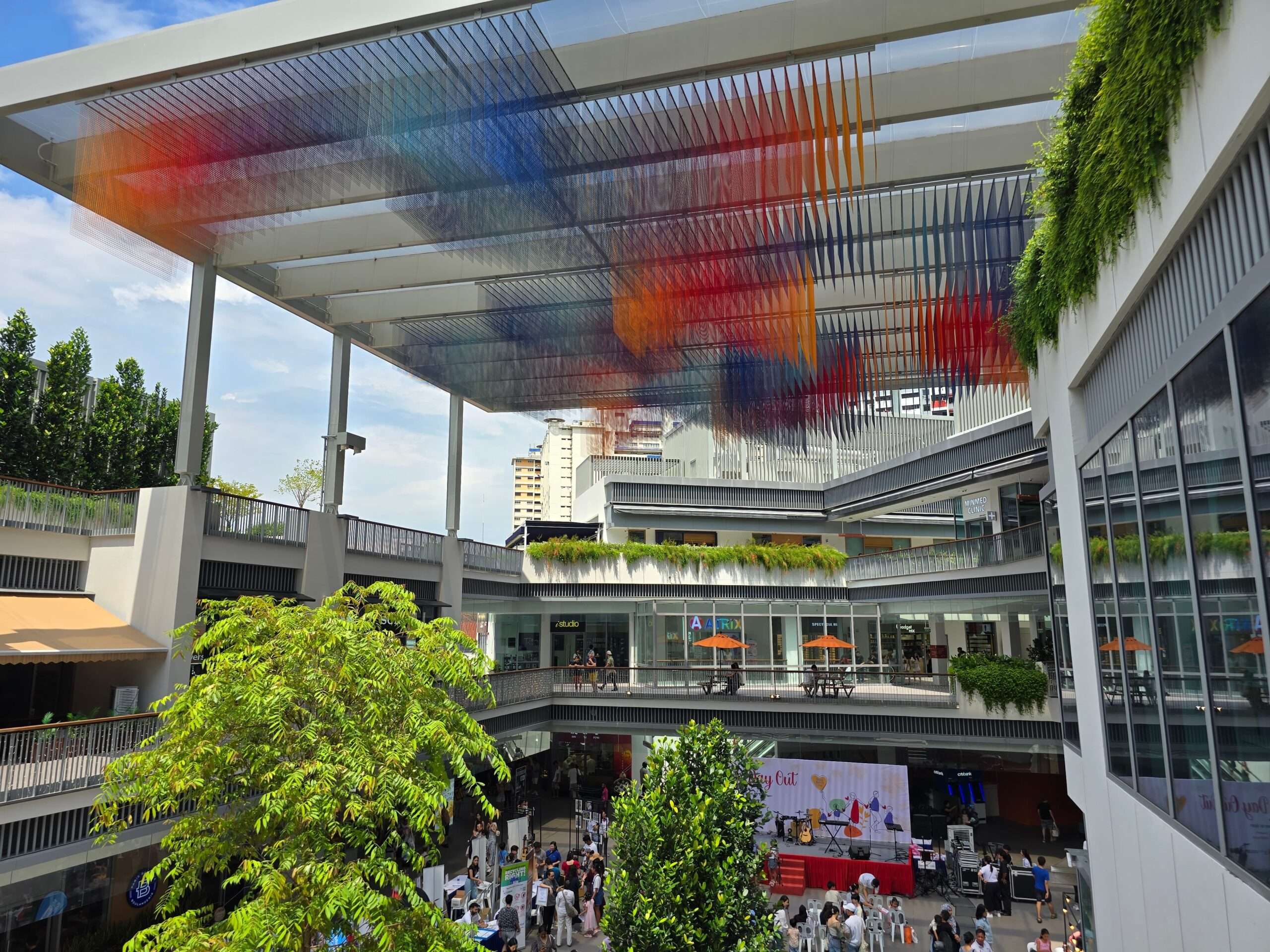
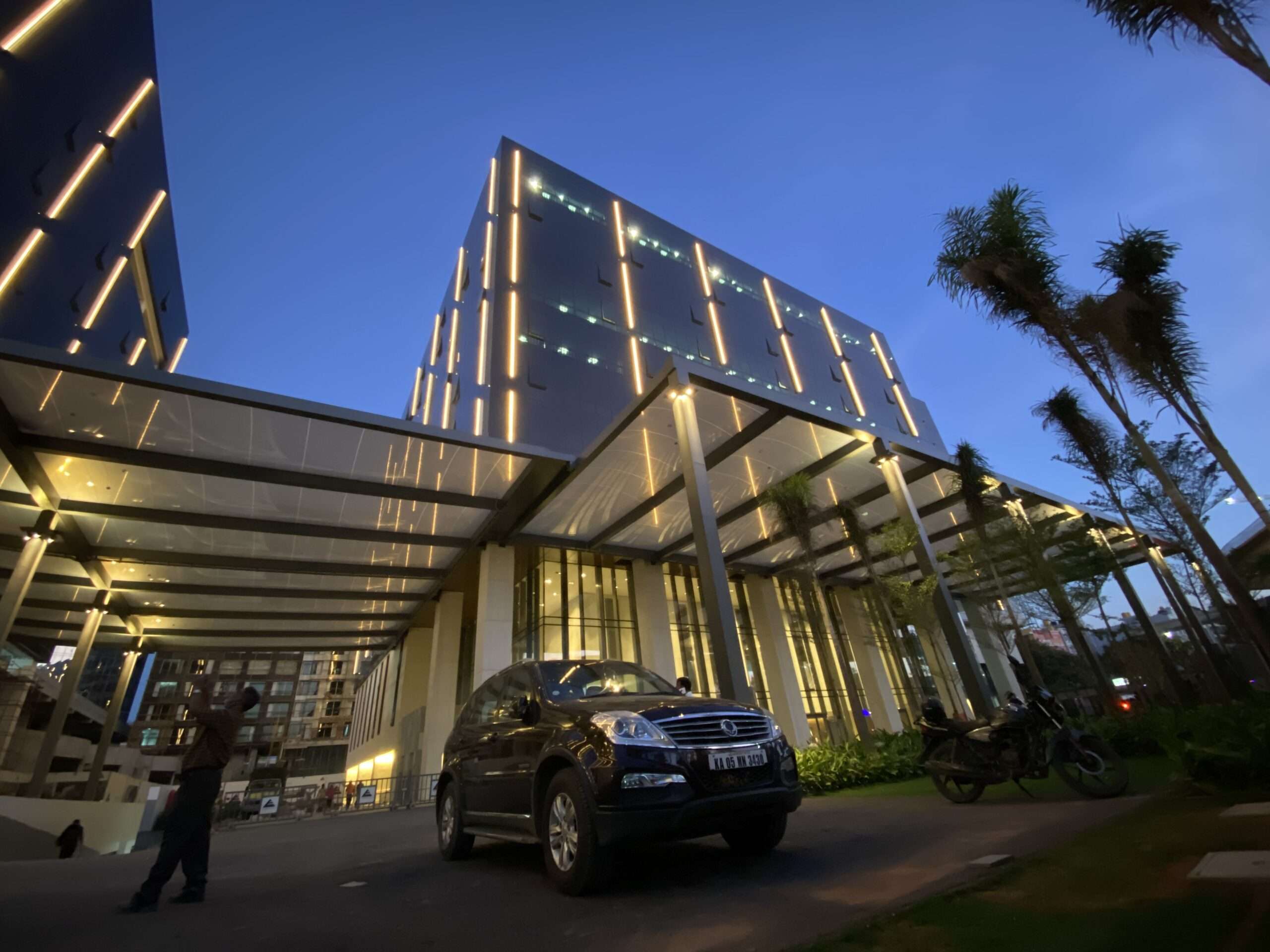
AIS Early Learning Village, Singapore
Structural Improvements with ETFE
Key Benefits of Using ETFE
Large-Scale Elements
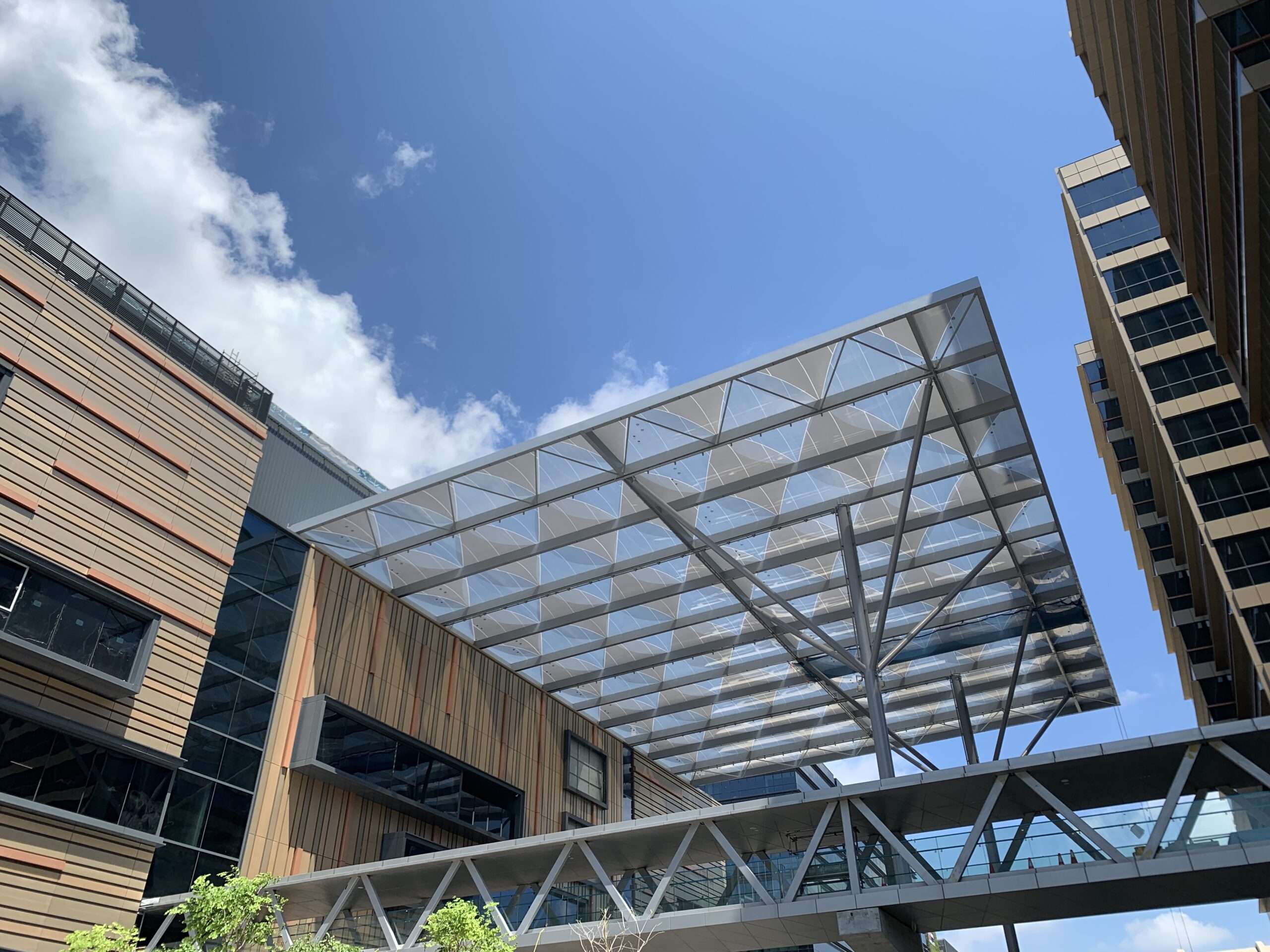
ETFE cushions are significantly larger than conventional panels while weighing only a fraction of glass. This offers long-span or any-shape capabilities while minimizing the support structure.
Precision Engineering
Each element is custom designed to match structural requirements, environmental conditions and architectural intent.
Flexibility
ETFE accommodates movement caused by wind, temperature and seismic forces without failure.
ETFE foil Elements
Optimizing ETFE Structures
The design process begins with defining the optimal size and geometry of each ETFE element.
Key considerations include:
– Wind and Structural Loads
– Water Drainage and Ponding
– Architectural Intent
– Material Efficiency
This iterative process ensures the best combination of ETFE geometry and structural system.
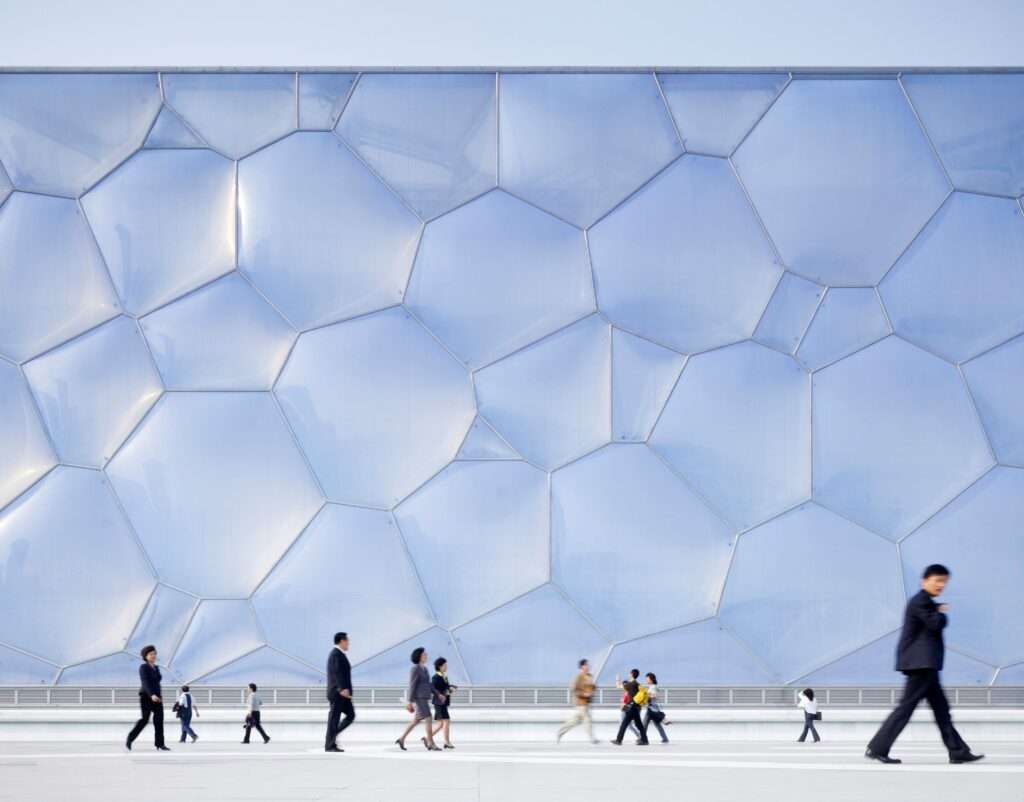
Watercube National Swimming Centre in Beijing, China
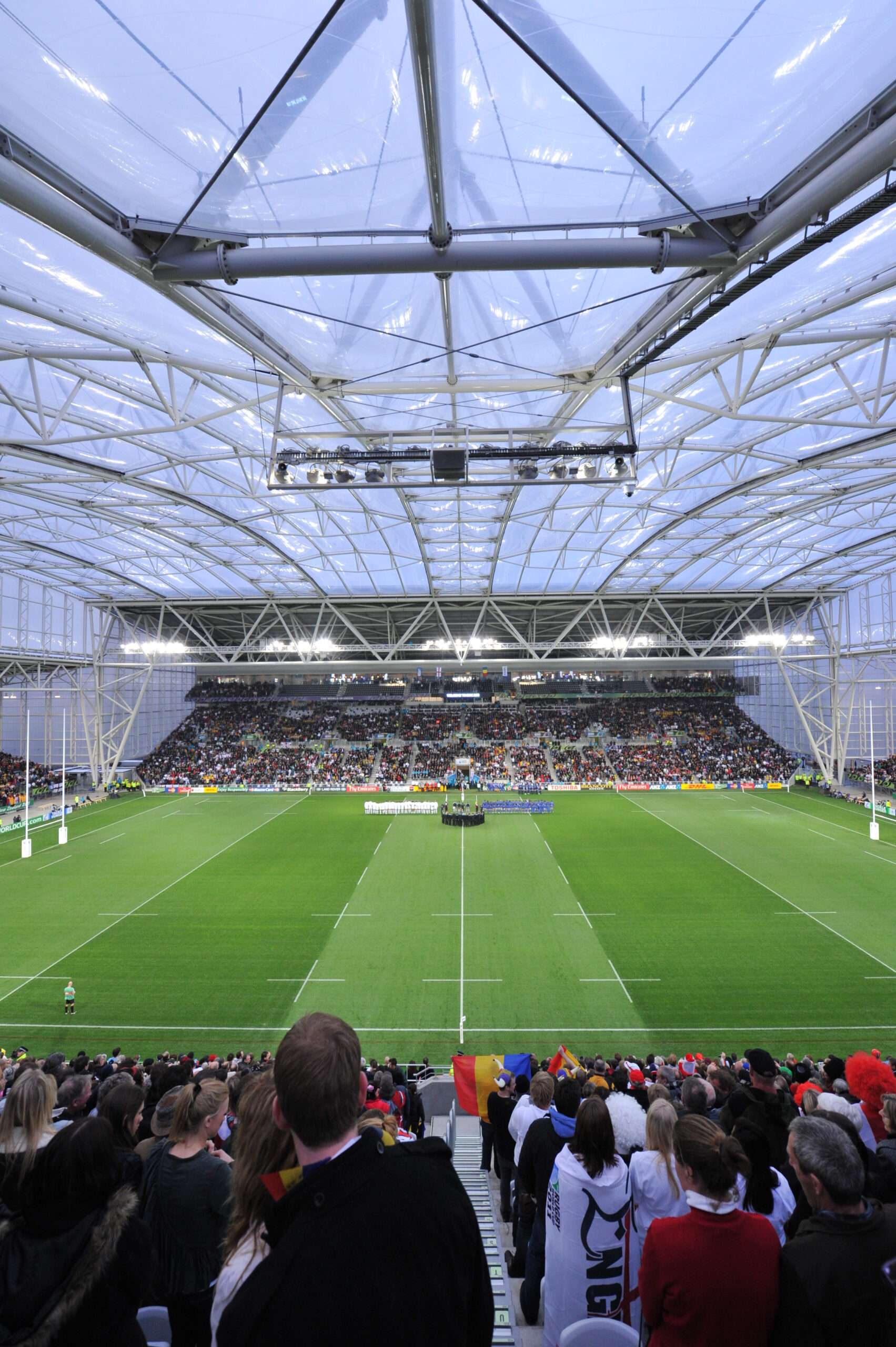
Forsyth Barr Stadium in Dunedin, New Zealand
Efficient Structures with ETFE
An optimized ETFE structure results in:
– Reduced Structural Components
– Faster installation
– Lower labour requirements
– Minimal visual impact
– Efficient shading performance
Because of its lightweight nature, ETFE reduces overall structural demand while maintaining performance.
With decades of experience in Asia Pacific, China, Australia and New Zealand, Vector Foiltec Asia Pacific delivers engineered ETFE structures that are efficient, adaptable and built for complex environments.