ETFE
ETFE architecture in Asia Pacific:
Lightweight roofs, high transparency, solar control and durability for tropical, coastal and seismic environments.
ETFE (Ethylene Tetrafluoroethylene) is the sustainable solution for transparent and lightweight roofs, facades, and cladding.
ETFE Architecture
Lightweight Roofs, Facades
& Cladding
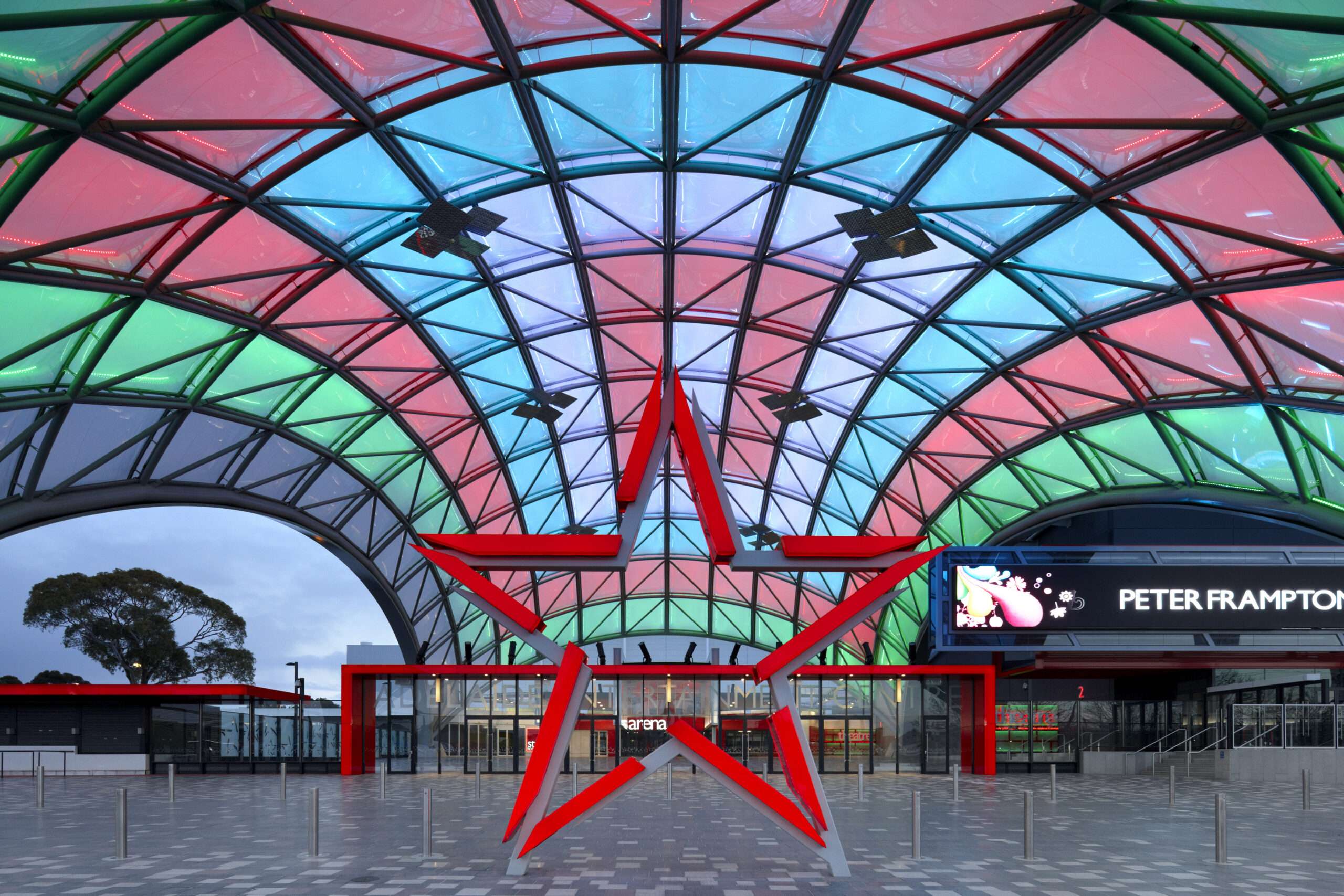
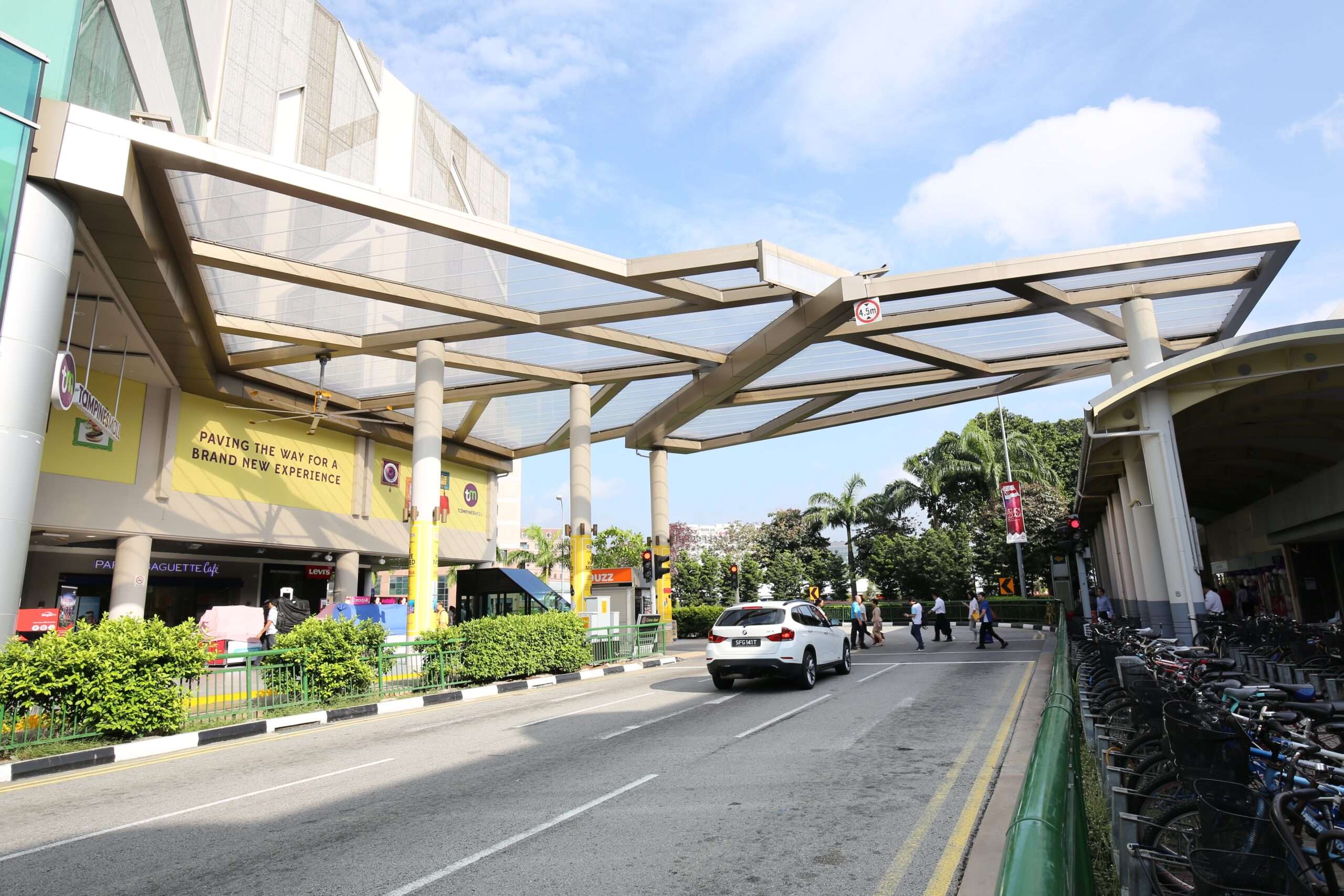
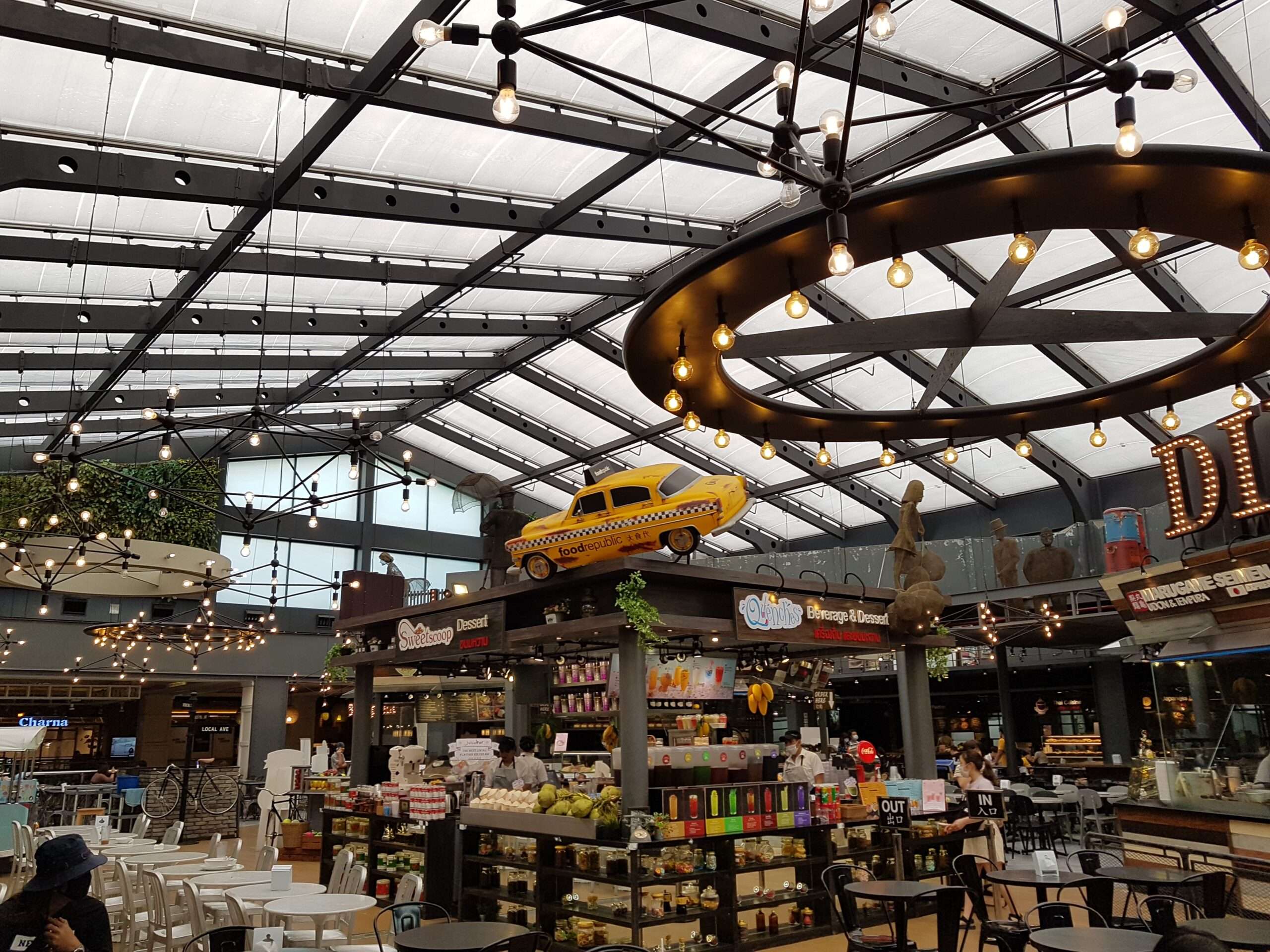
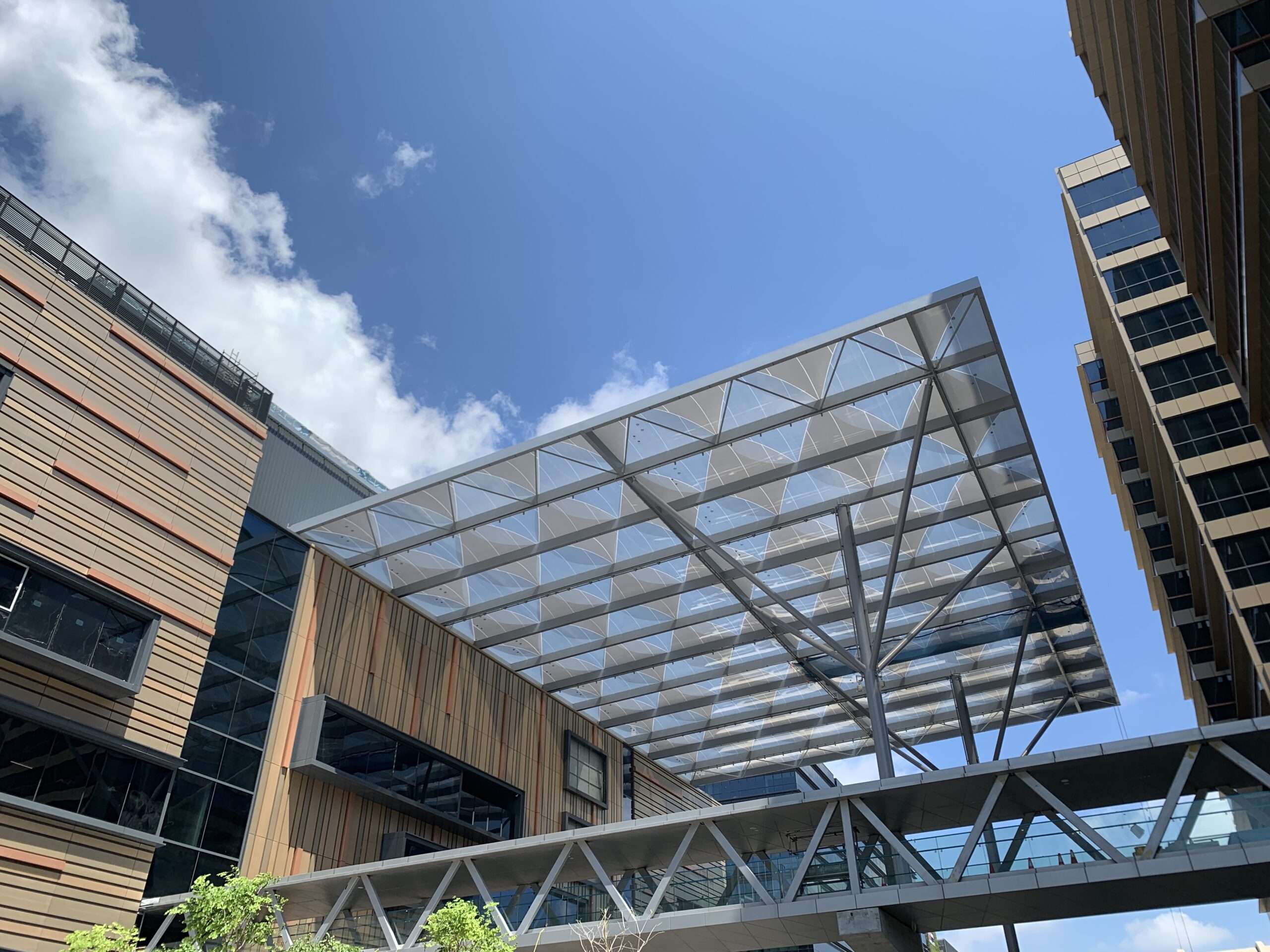
ETFE (ethylene tetrafluoroethylene) is a high-performance material used in Asia Pacific architecture for roofs, facades and canopies. Its lightweight structure, durability and options to control natural light make it particularly suited to tropical climates, coastal regions and seismic zones.
From Singapore to the Philippines, to Australia and New Zealand, ETFE enables architects and developers to create energy-efficient, climate-responsive building envelopes that combine performance with design flexibility.
Lightweight Roofs. Heavy Social Impact.
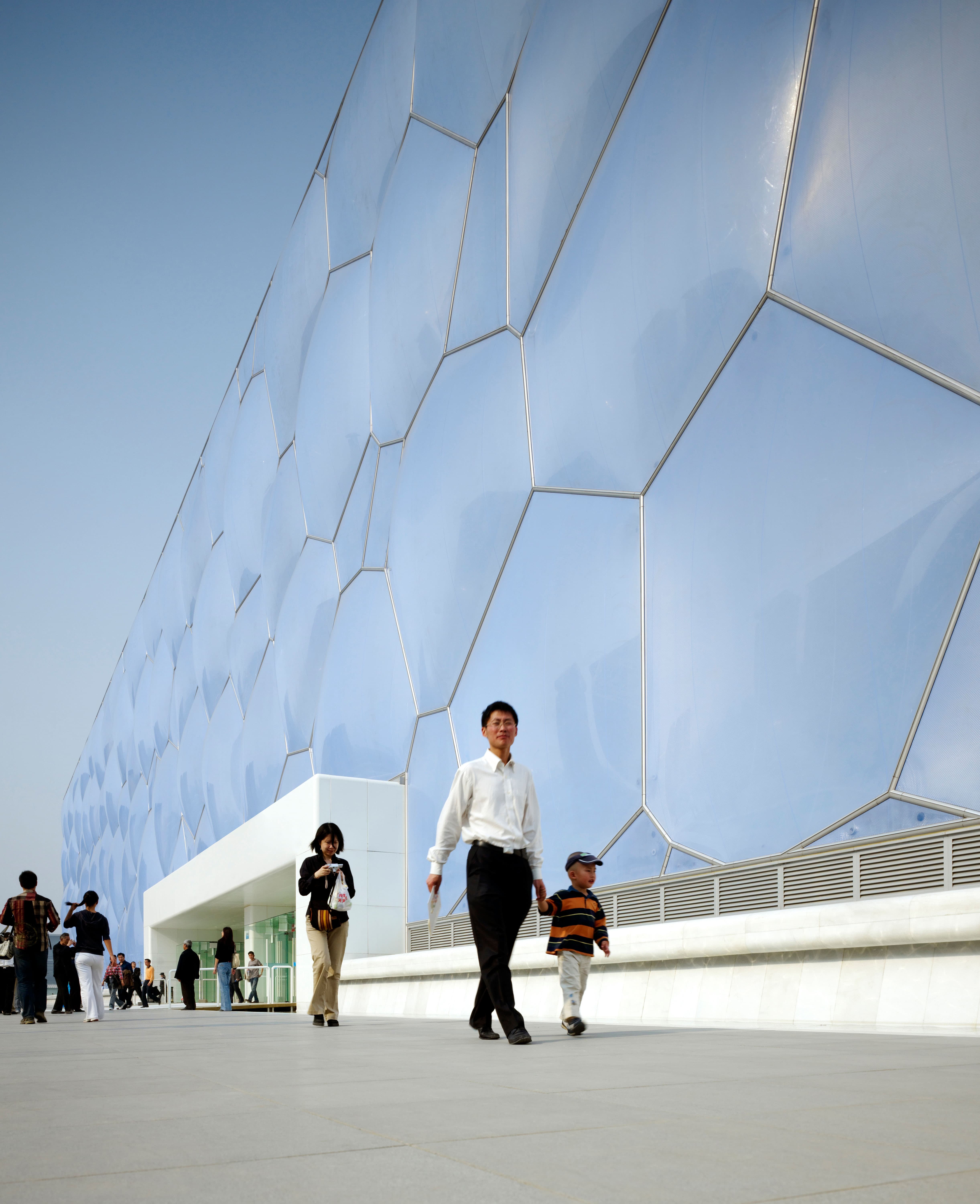
Watercube in Beijing, China
why etfe
Key Benefits of ETFE
Sustainability
ETFE supports low-carbon construction through its lightweight design, recyclability and long service life, reducing embodied energy in buildings.
Durability
Highly resistant to UV radiation, humidity and pollution, ETFE performs reliably in tropical and coastal Asia Pacific environments.
Solar Control
Custom print patterns and multi-layer cushions regulate solar heat gain, essential for hot and humid climates.
Lightweight
Significantly lighter than glass, ETFE reduces structural load and allows efficient long-span roof systems.
Transparency
Up to 95% light transmission allows natural daylight into buildings, reducing energy use for artificial lighting.
Unique Building Forms
ETFE enables free-form and large-span architecture, supporting innovative designs across stadiums, airports and retail developments.
Acoustic Benefit
ETFE reduces sound reflection, improving acoustic comfort in large public and commercial spaces
Low Maintenance
Self-cleaning properties reduce operational costs, particularly valuable in urban and coastal environments.
Fire Safety
ETFE demonstrates safe behavior in fire scenarios and complies with international fire standards.
Smart & Sustainable
Building Smarter in Asia Pacific with ETFE Roofs and Facades
ETFE is particularly suited to the environmental challenges of Asia Pacific. Its flexibility allows it to absorb structural movement caused by wind or seismic activity, while its durability ensures long-term performance in high humidity, heavy rainfall and strong UV exposure.
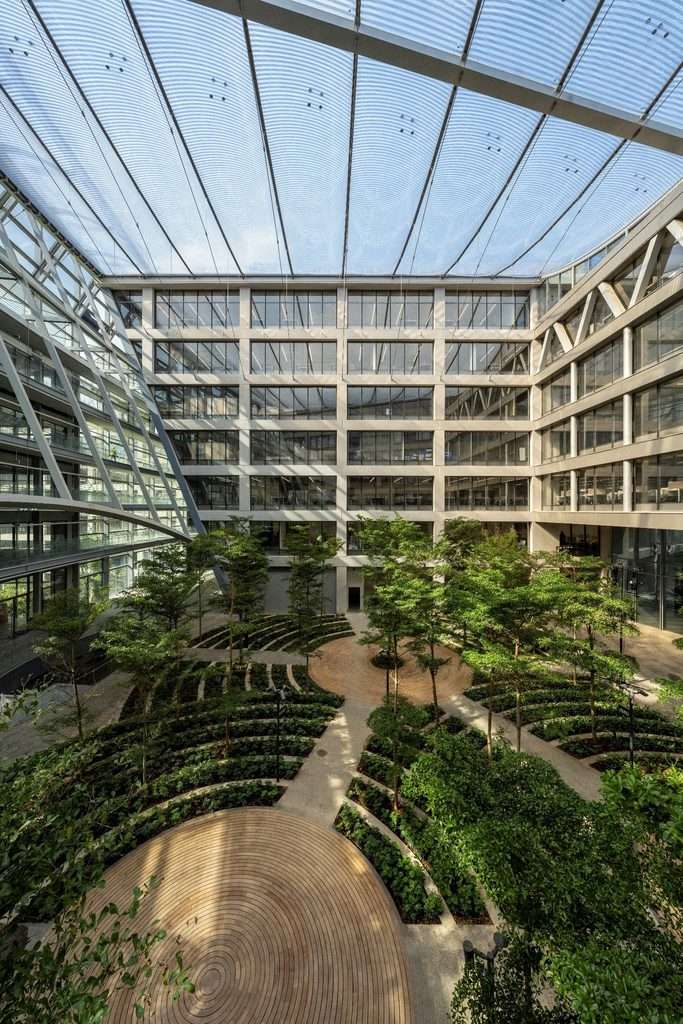
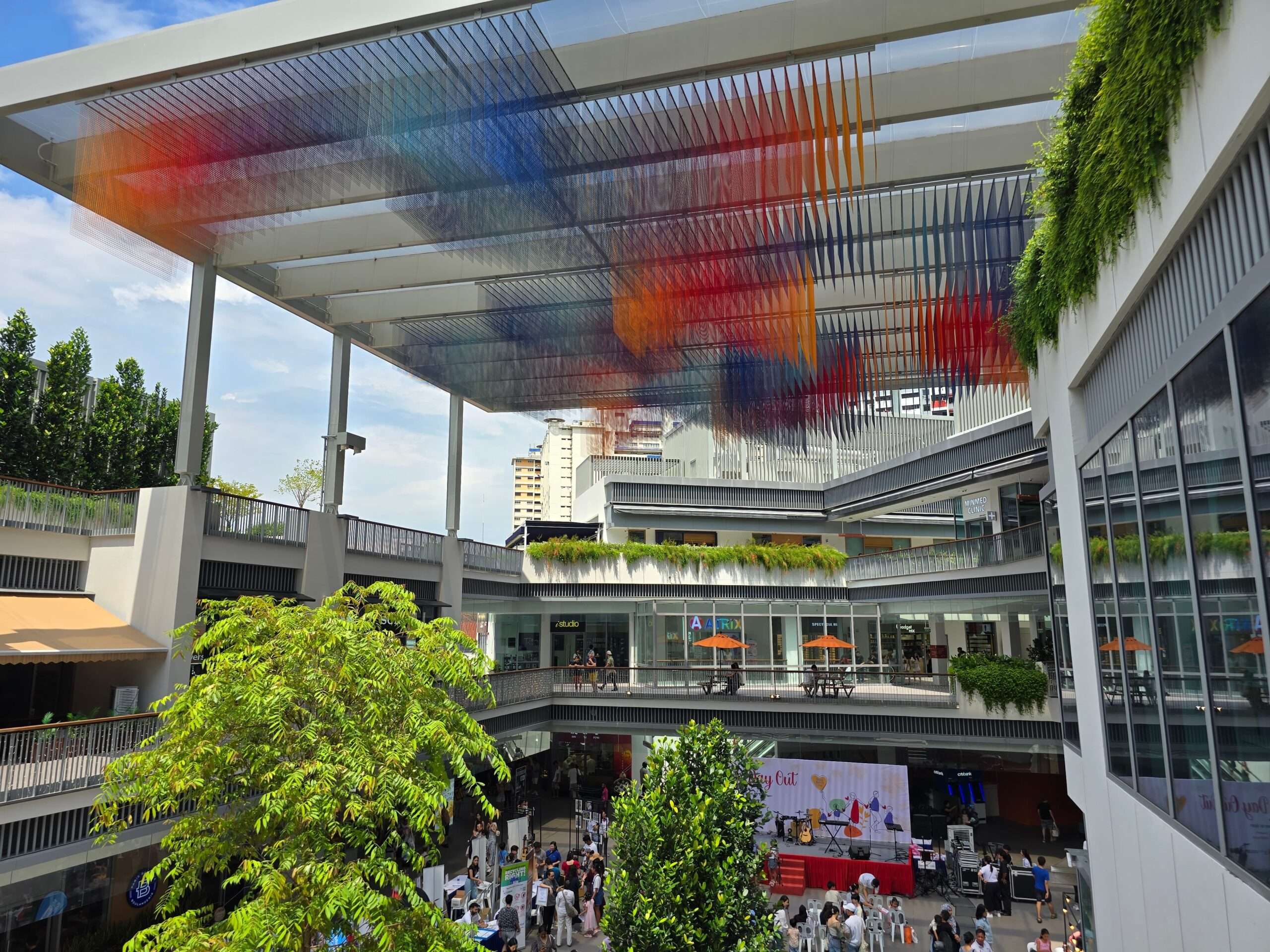
Surbana Jurong Offices, Singapore
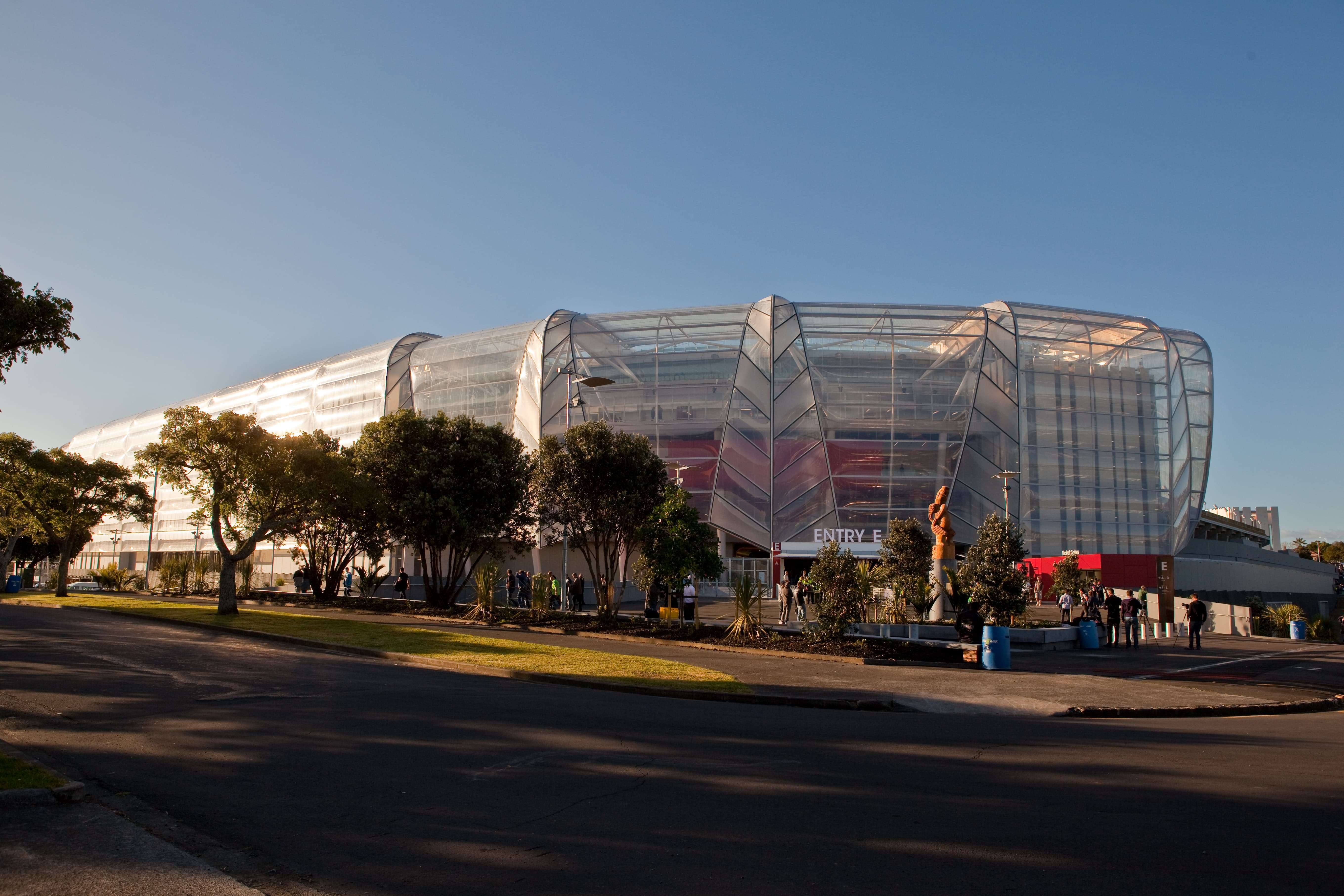
Eden Park Stadium in Auckland, New Zealand
solar control & durability
ETFE Foil is a High-Performance Material
Integrated shading systems and multi-layer configurations enable precise climate control, creating comfortable indoor and semi-outdoor environments.
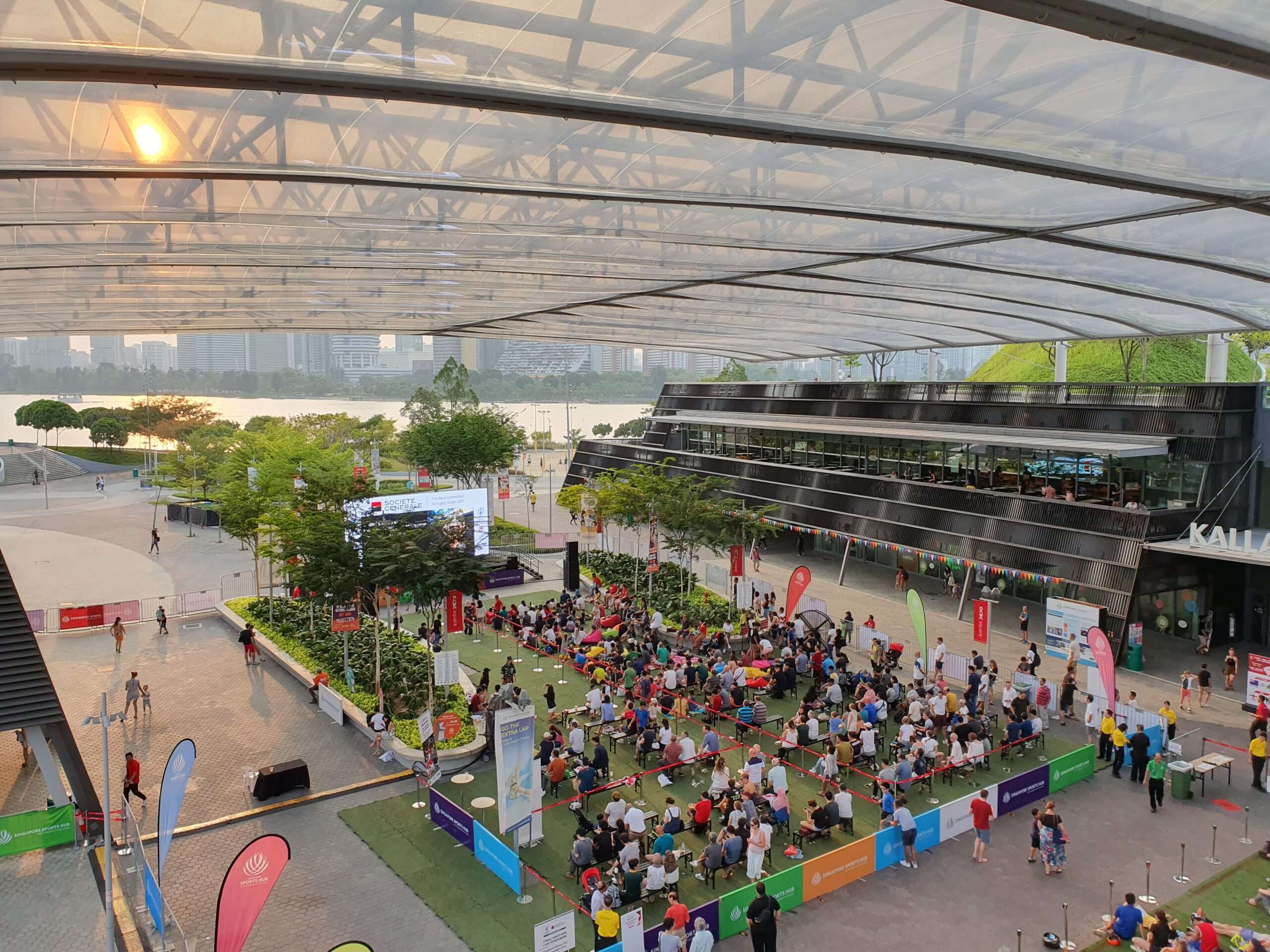
From atriums and canopies to airports and stadiums, ETFE provides a lightweight, sustainable and adaptable solution for modern architecture in Asia Pacific.
Long-Term Value of ETFE
Why ETFE Makes Sense for Long-Term Architectural Performance
Beyond its immediate design and climate benefits, ETFE also supports long-term value across the building lifecycle. Its low weight can reduce the amount of supporting steel, its durability helps limit replacement and maintenance requirements, and its recyclability supports more sustainable construction strategies.
For developers, architects and contractors in Asia Pacific, this means a material that not only performs in challenging environments, but also contributes to efficient construction, lower operational demands and future-ready building design.
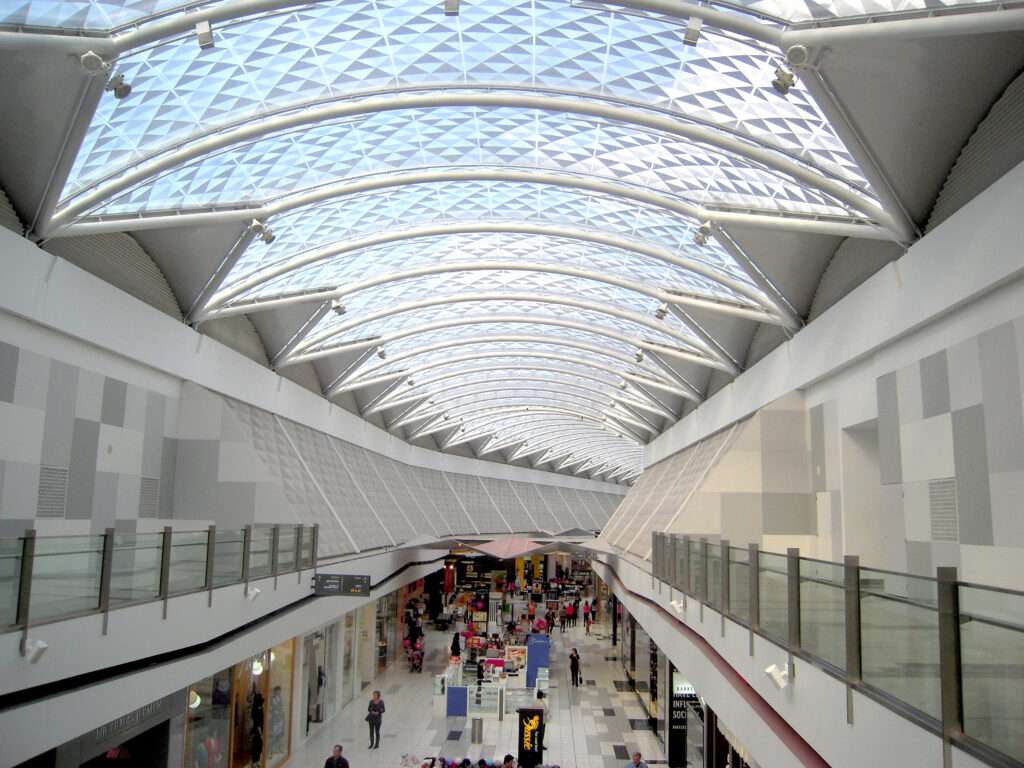
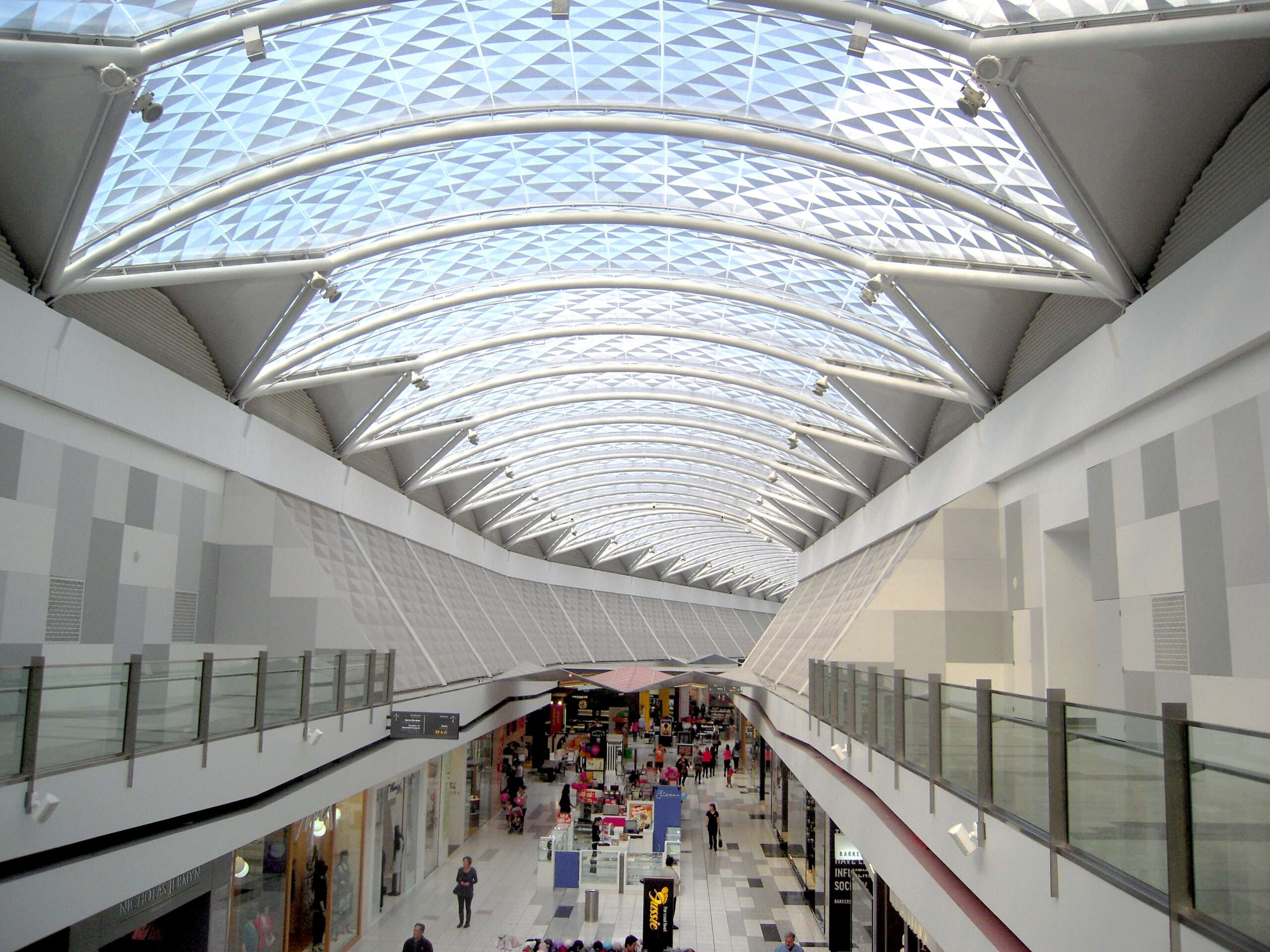
Te Awa Mall in Hamilton, New Zealand