Global Change Institute in Brisbane, Australia, features a 497 m² ETFE atrium roof with three-layer cushions and printed grid foils, combining natural light and heat control for a zero-energy, zero-carbon educational facility.
Global Change Institute
The Global Change Institute in Brisbane, Australia, is a landmark educational and research workplace designed with advanced sustainability goals. The building was conceived as a zero-energy and zero-carbon workplace that embeds environmental performance into its architectural identity.
Project Overview
Australia
Country
497
m²
of ETFE
2013
Completed
Hassell Architects
Architects
At a Glance – ETFE at Global Change Institute, Brisbane
- 497 m² ETFE atrium roof installed for daylight and heat control.
- Six three-layer ETFE foil cushions integrated with aluminium frames and steel substructure.
- Graphic grid print on the top ETFE layer modulates light and heat ingress.
- ETFE roof allows natural light into interior spaces while supporting insulation.
- Combined with LED lighting for consistent interior illumination.
- Part of a zero-energy, zero-carbon workplace with integrated sustainability systems.
- Recipient of the 2013 BPN Sustainability Award.
497 m²
of ETFE
Prestigious Zero-Energy ETFE Atrium
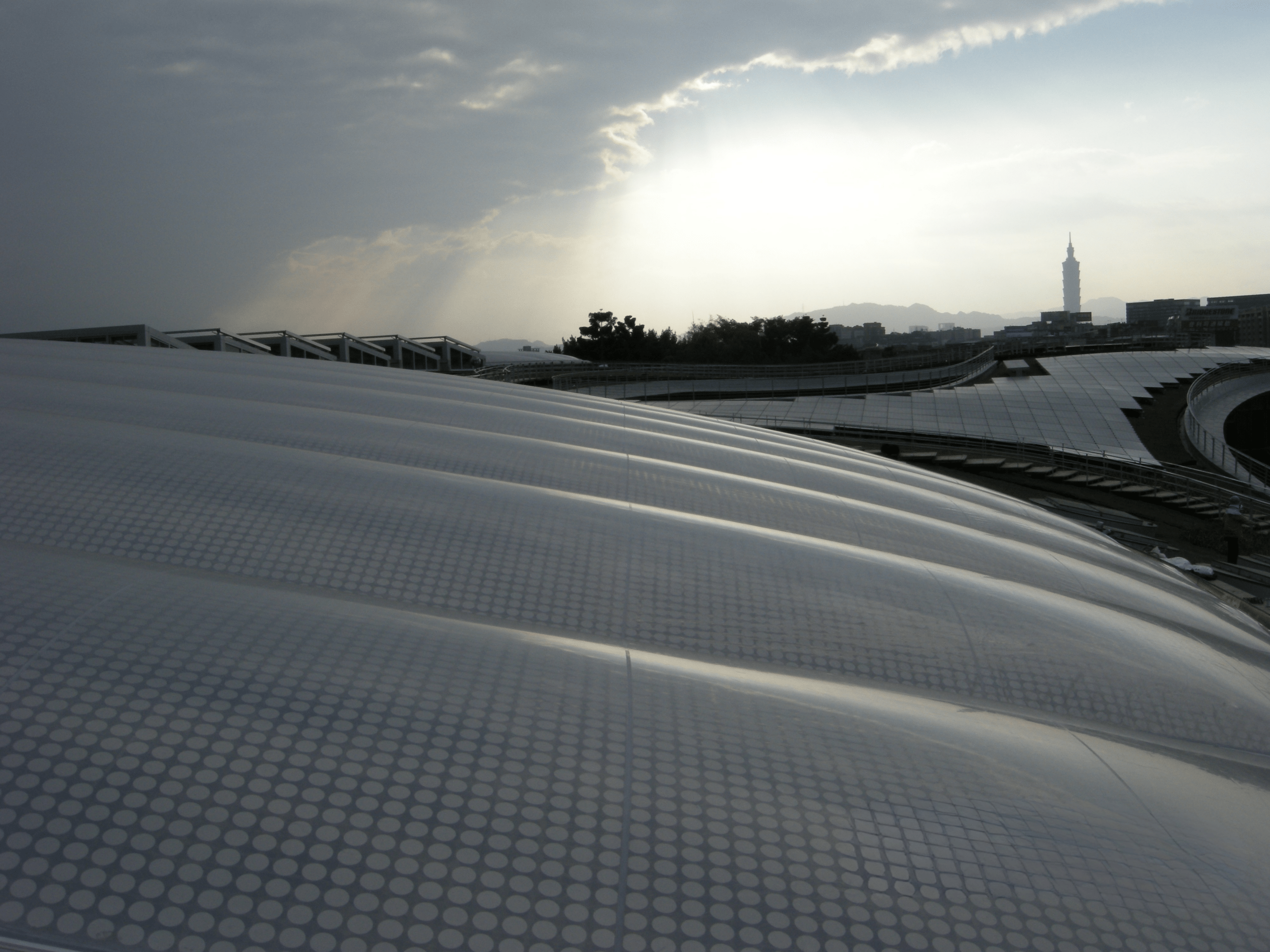
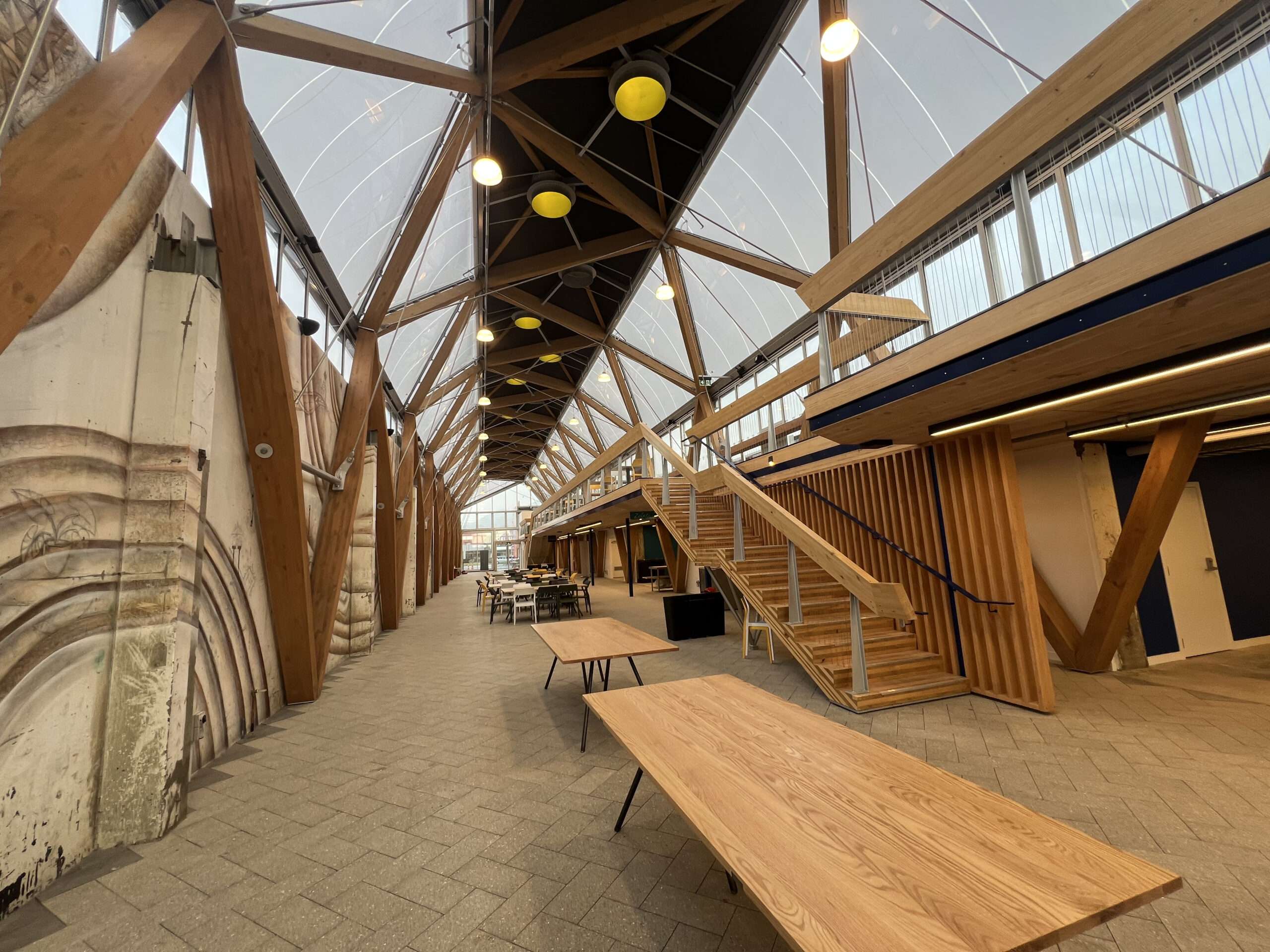
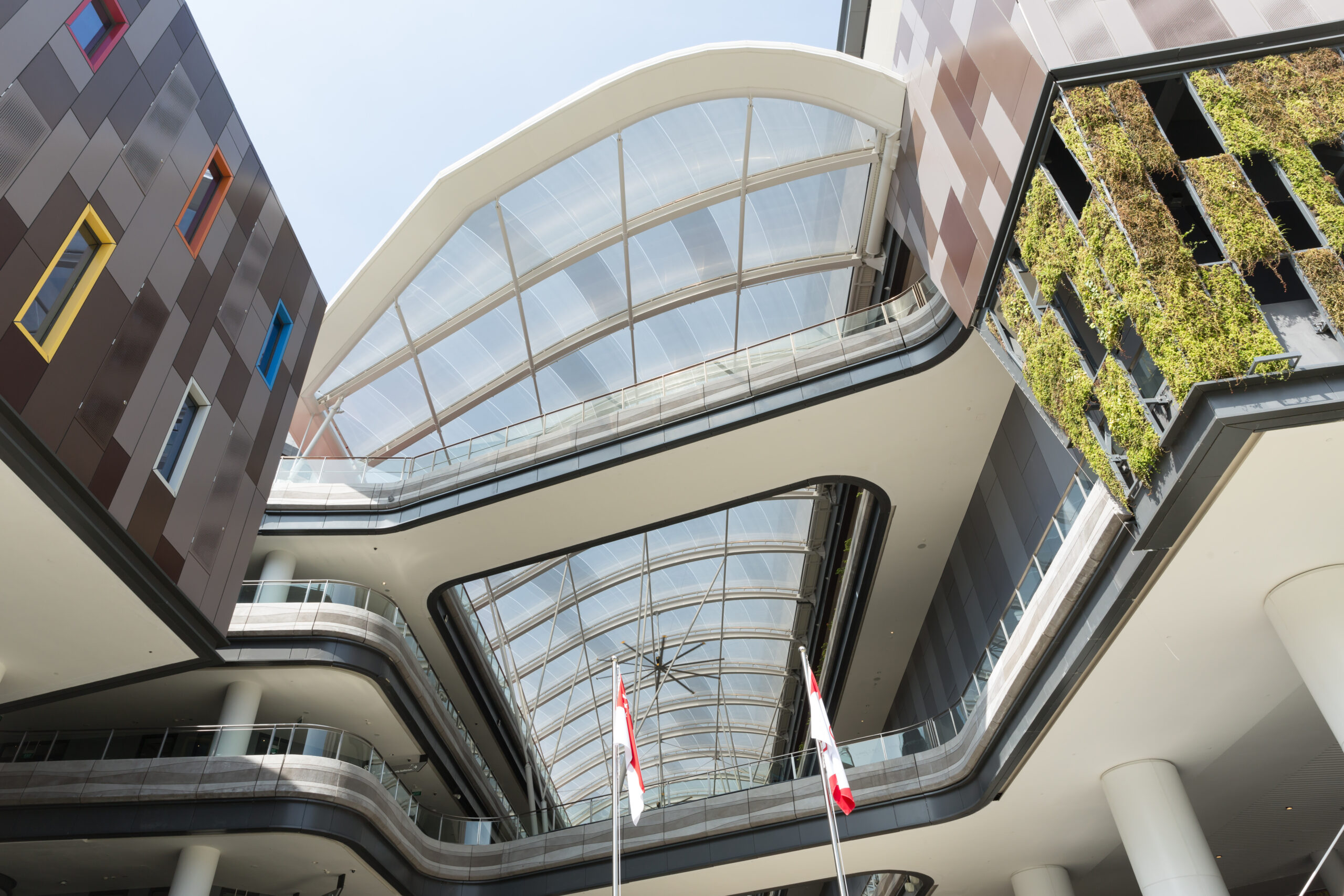
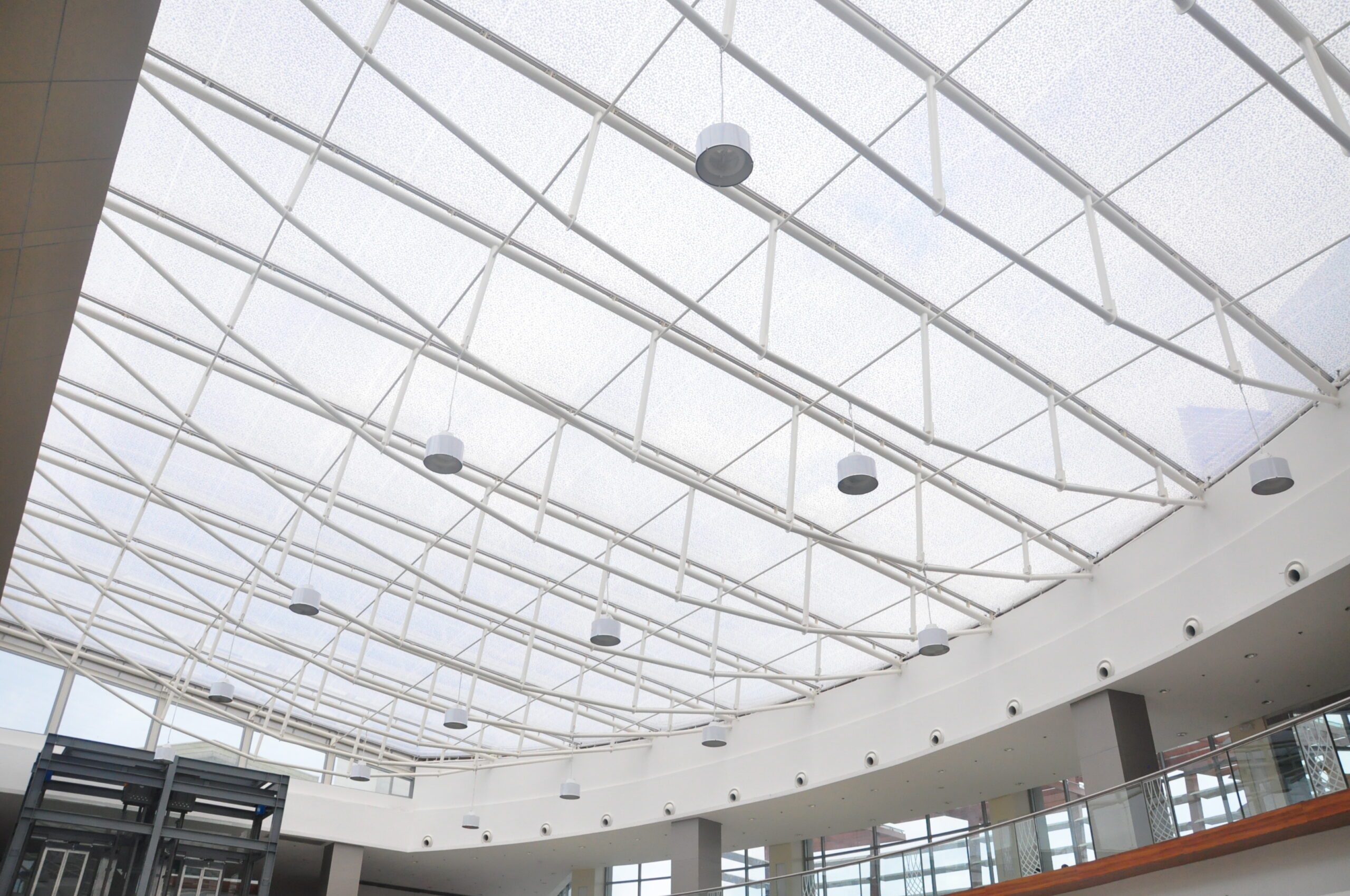
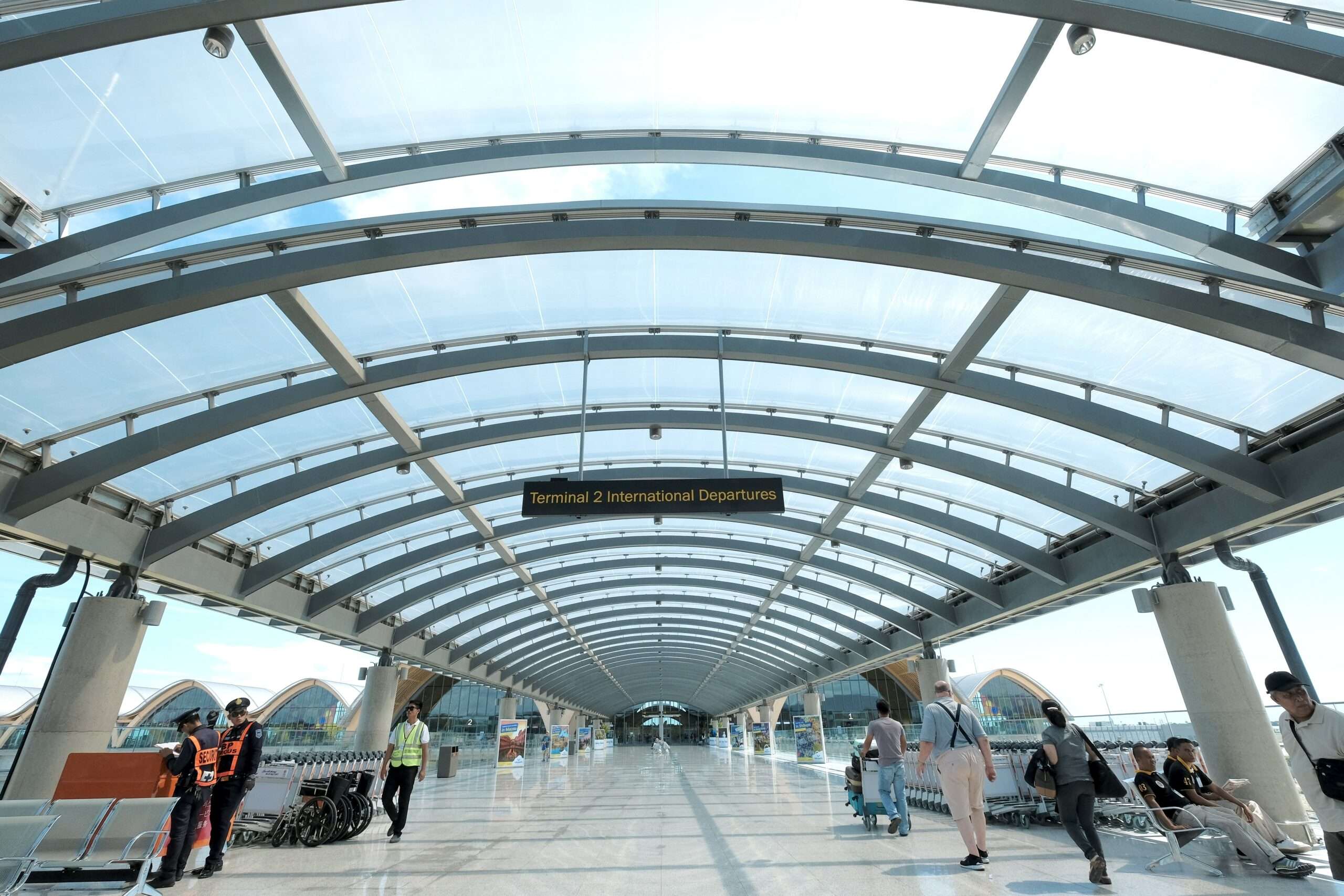
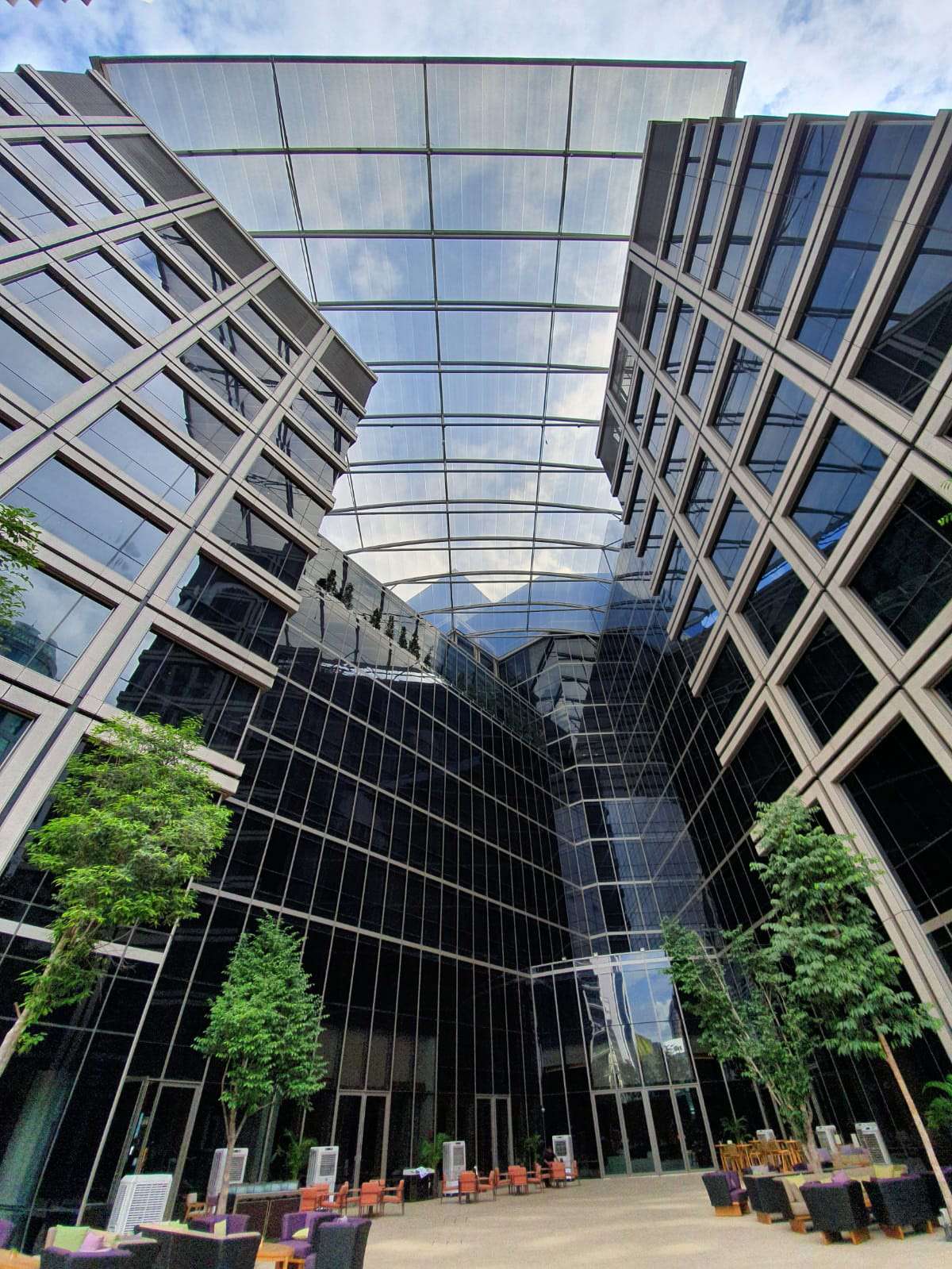
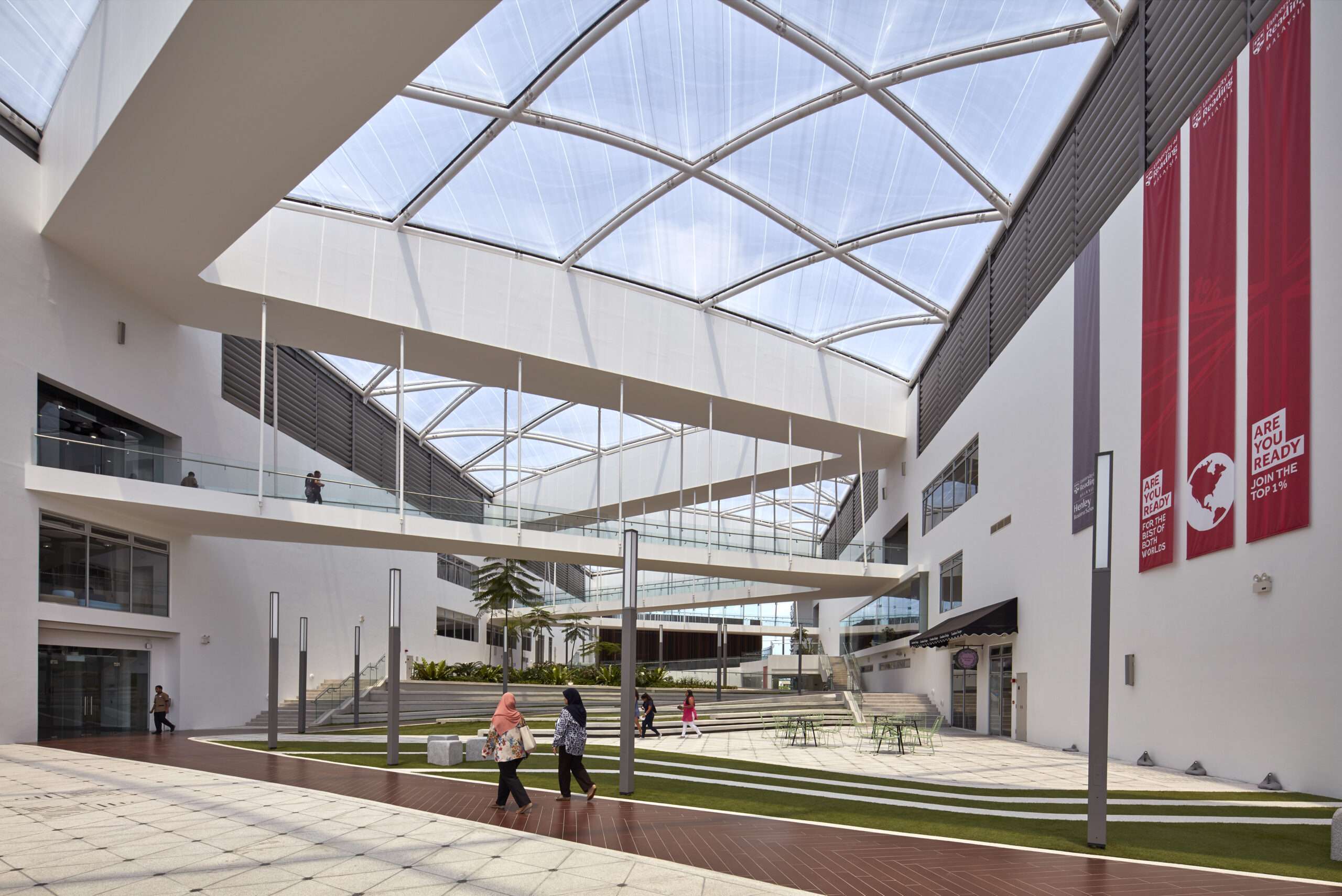
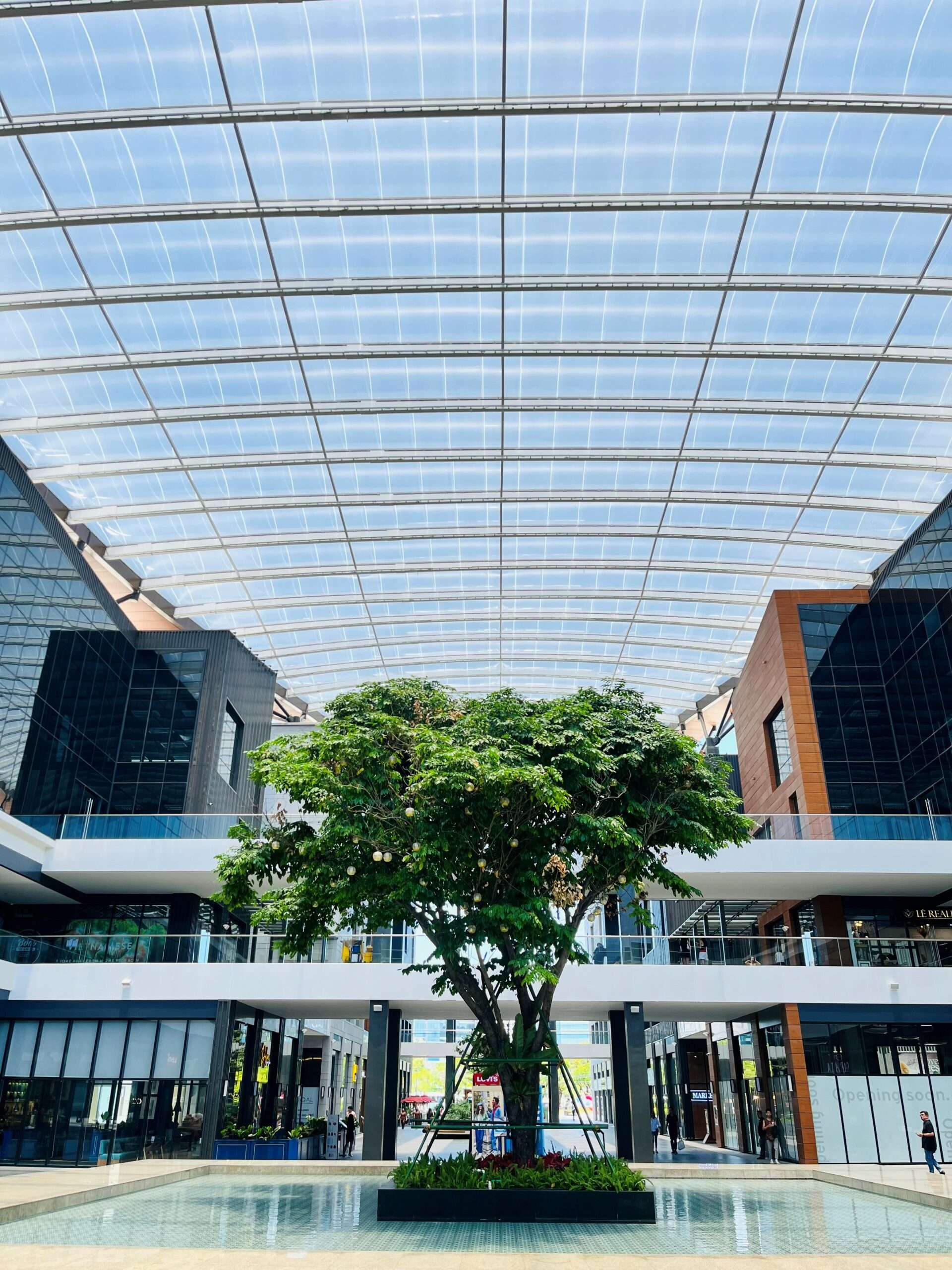
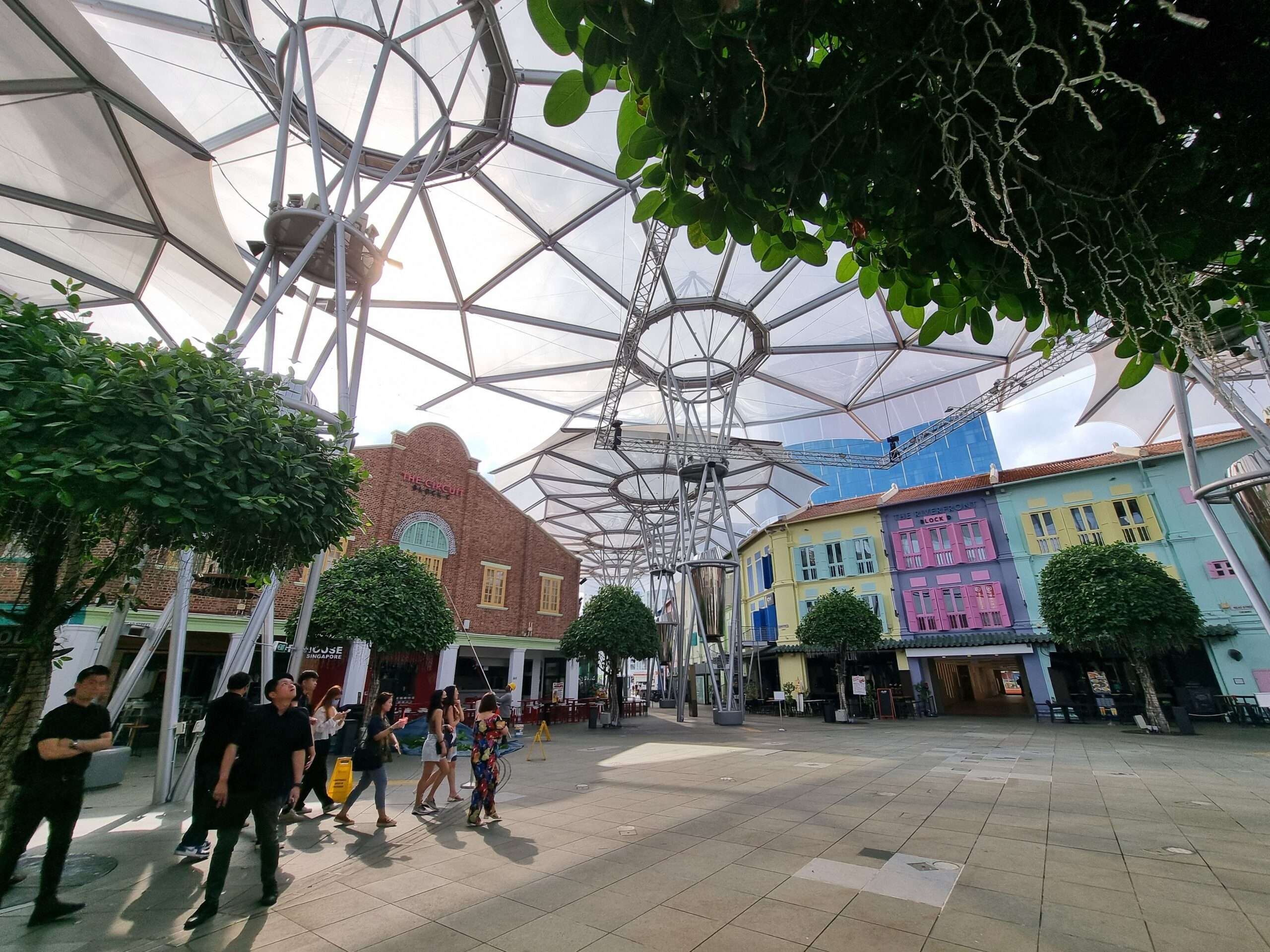
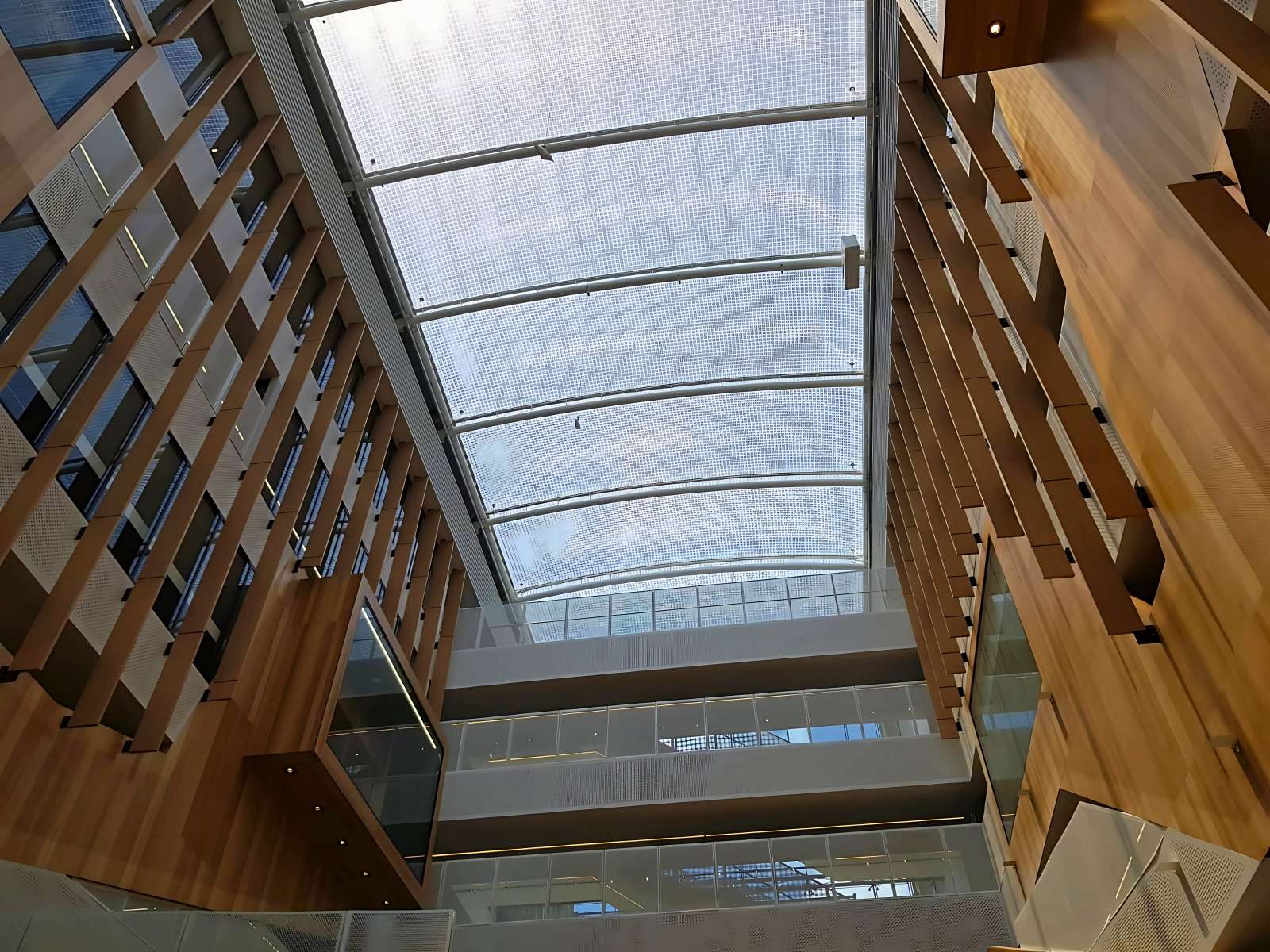
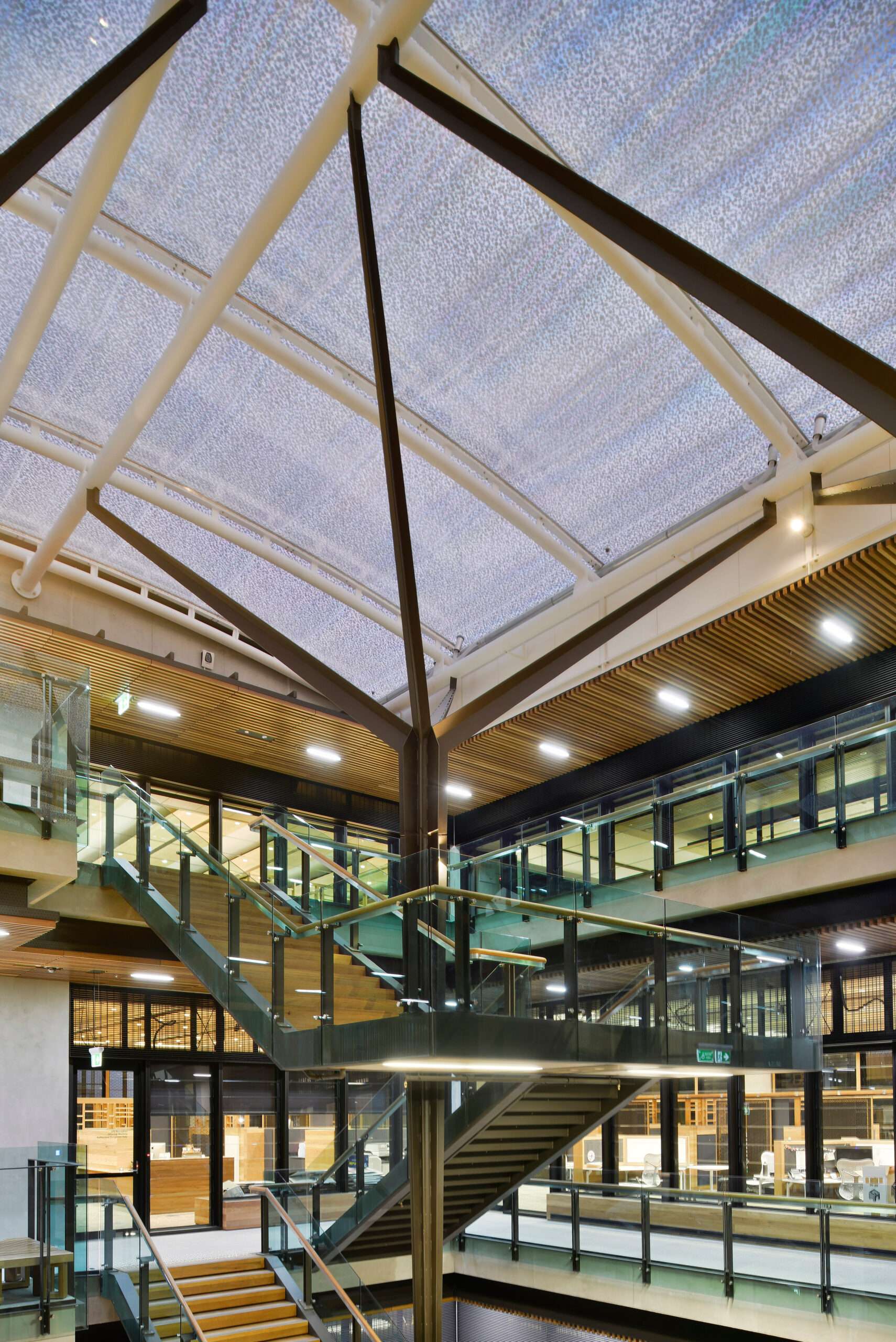
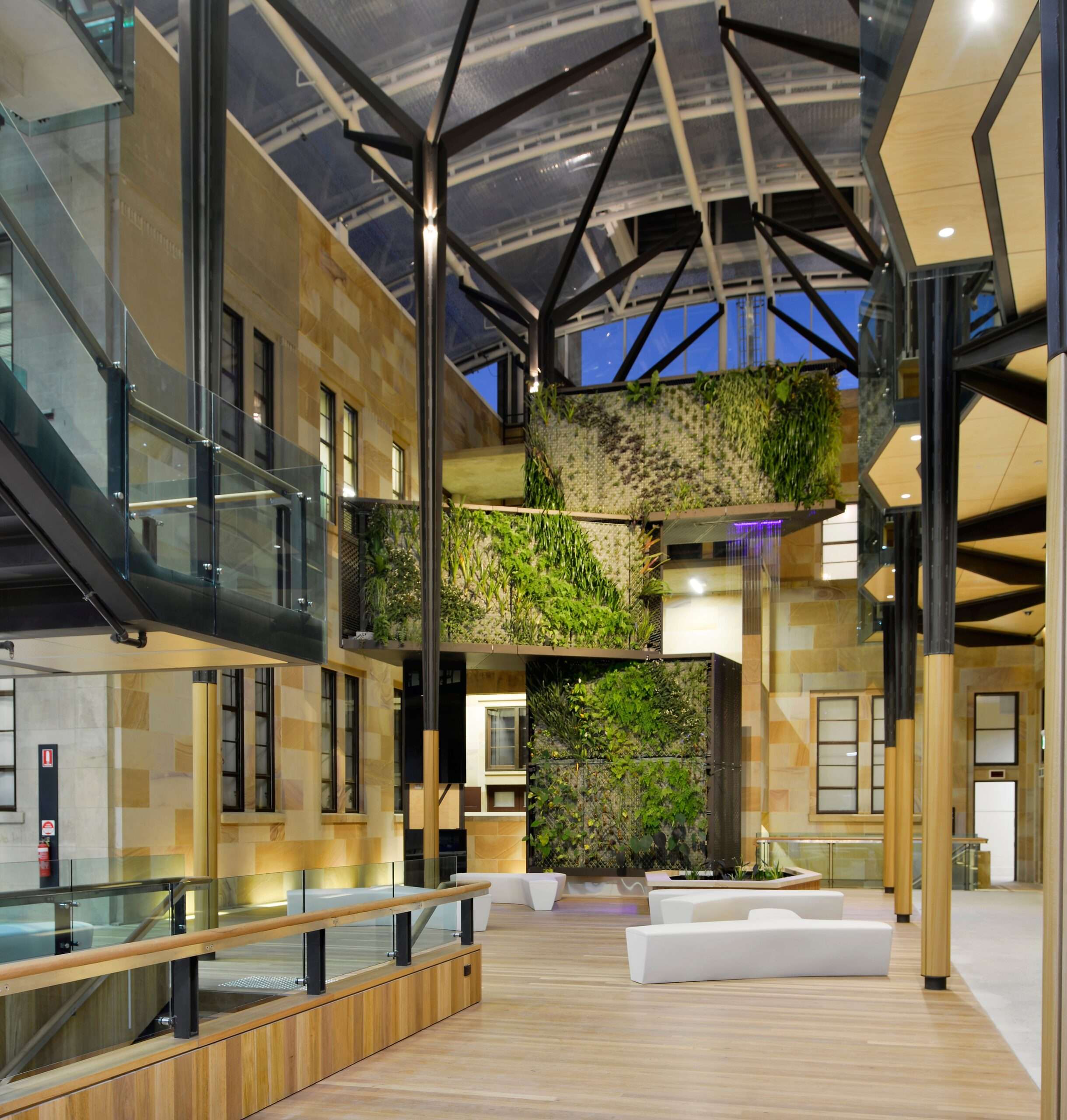
A defining architectural feature is the ETFE-covered atrium roof. Vector Foiltec Asia Pacific supplied and installed lightweight ETFE foil cushions spanning the atrium, supported by aluminium frames tied into a refined steel substructure. Six three-layer ETFE cushions are secured within these perimeter frames, with the top layer printed in a graphic grid pattern that reduces incoming light and heat, yet still permits natural illumination.
Natural Light with Heat Insulation
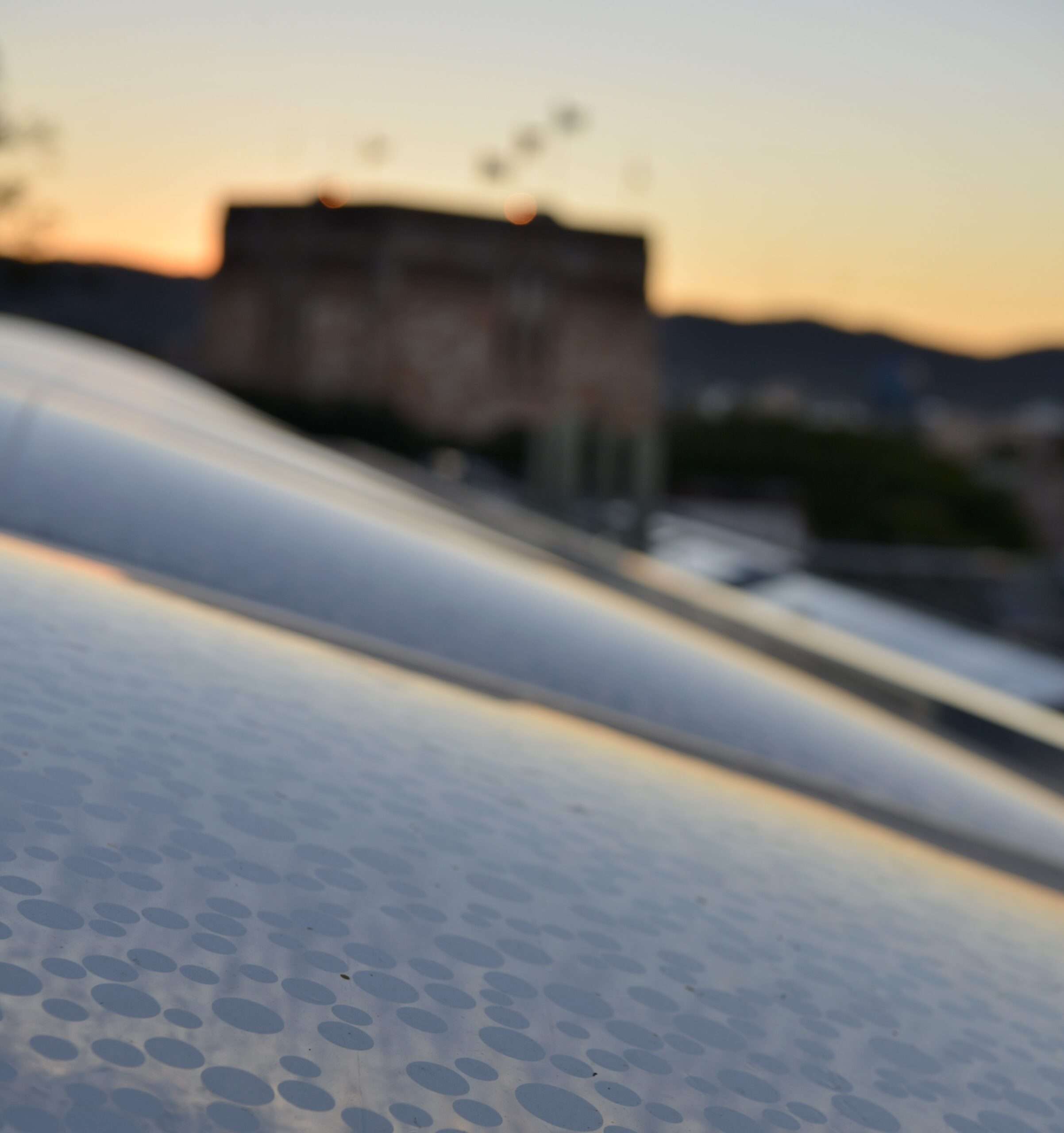
The ETFE roof allows abundant daylight into the central atrium while insulating the interior from direct solar heat.
The ETFE roof allows abundant daylight into the central atrium while insulating the interior from direct solar heat. This daylight strategy reduces dependence on artificial lighting over the long term, contributing to operational efficiency.
In addition to passive daylighting, the atrium space is complemented by environmentally-friendly LED lighting to ensure appropriate illumination when natural light levels decrease.
Visual Journey
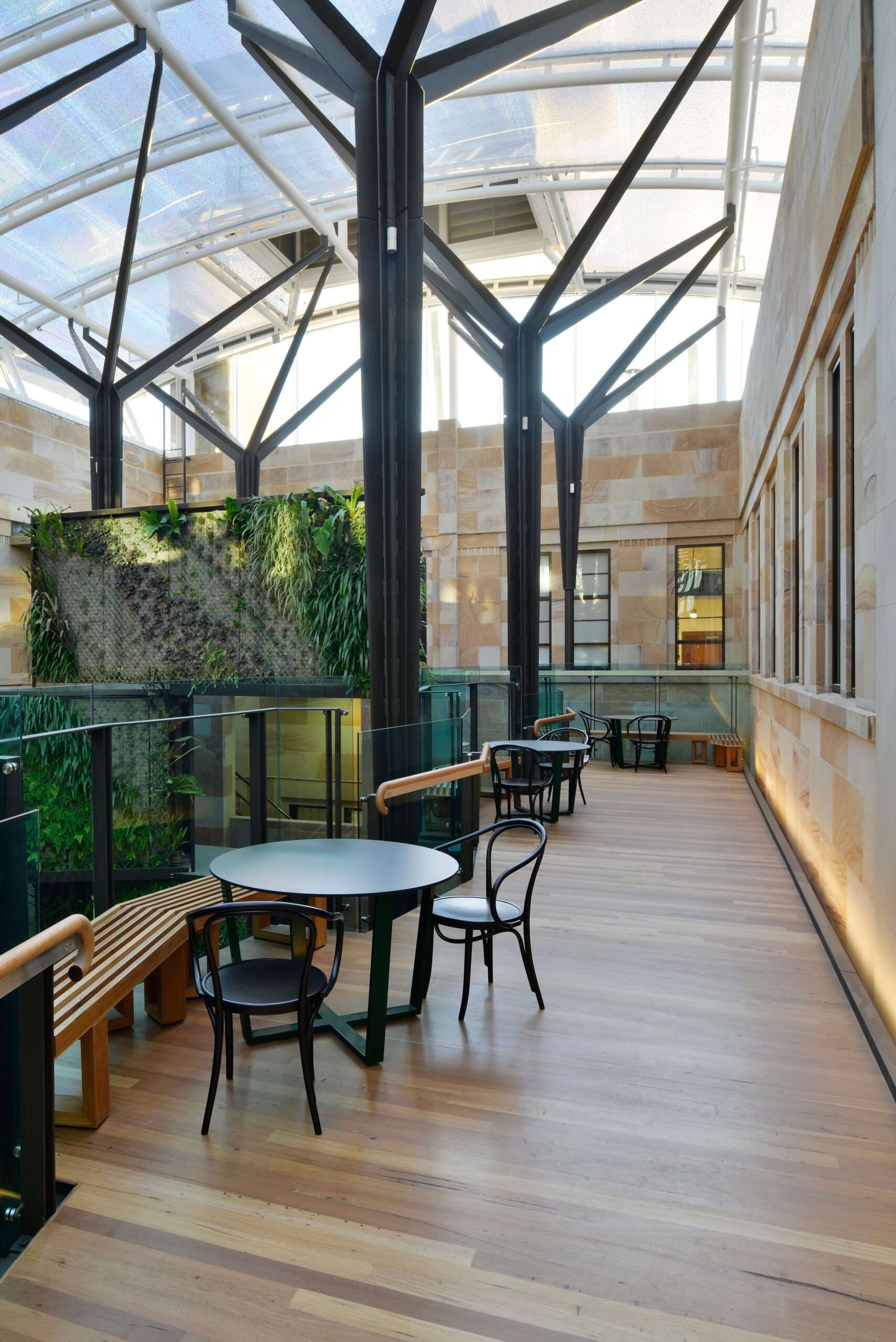
ETFE foli for natural light and heat control for a zero-energy, zero-carbon educational facility.
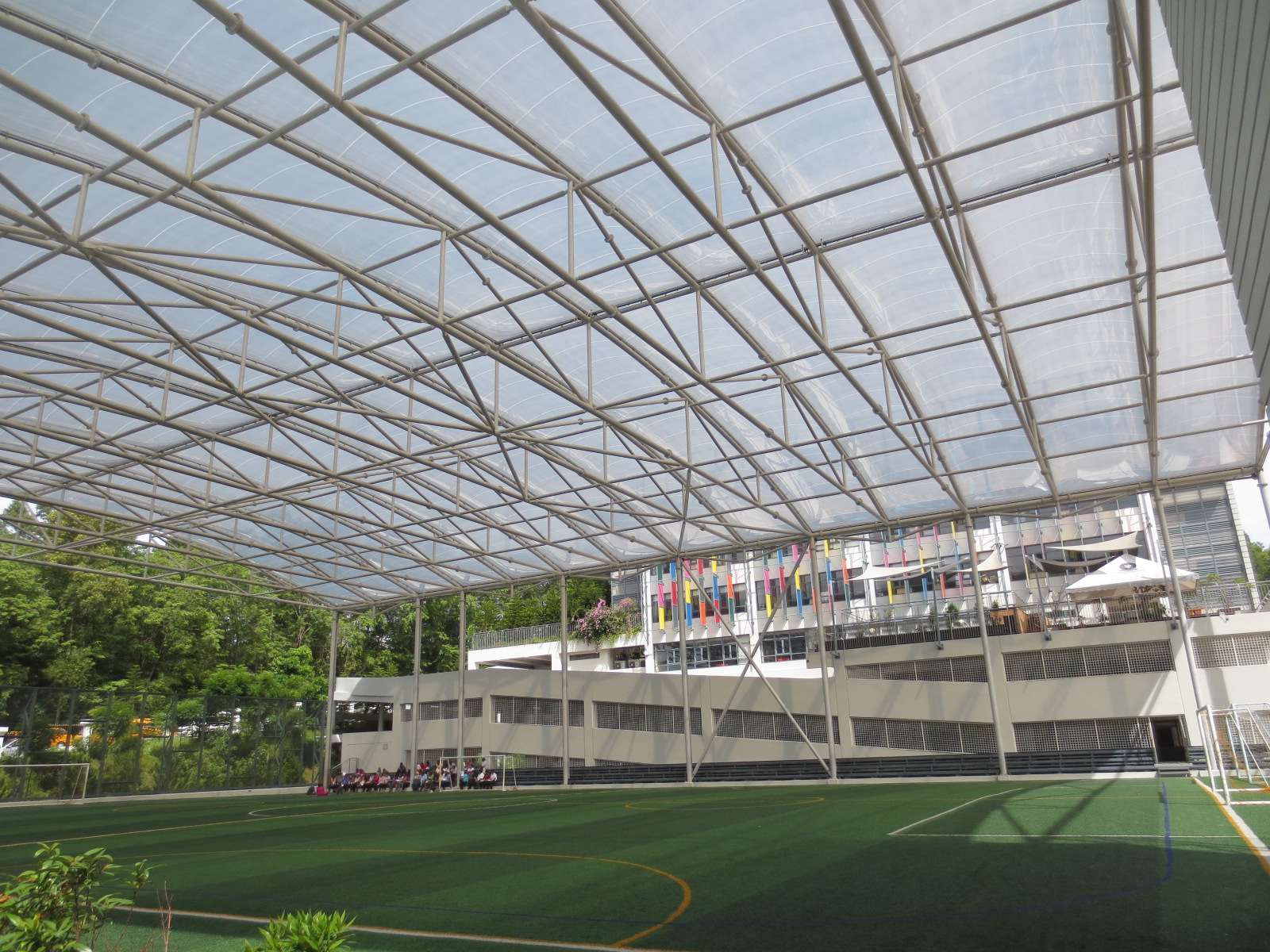
Three-layered, printed ETFE cushions.
The ETFE roof allows natural light into interior spaces while supporting insulation.
Click on the pictures to see the full size
Integration with Sustainability Goals
The project reflects a holistic approach to sustainability. Open spaces, rainwater collection systems and on-site solar power support the building’s ecological objectives. The design balances environmental performance with aesthetics, demonstrating how ETFE cladding can contribute to a building’s operational efficiency and comfort in subtropical climates. In recognition of these efforts, the Global Change Institute received the 2013 BPN Sustainability Award.
Read more