The design of the stadium draws inspiration from New Zealand’s native ferns and geological strata, creating a facade that is not only architecturally powerful but deeply rooted in place.

Eden Park Stadium
ETFE in New Zealand: A striking ETFE facade transforms Eden Park Stadium into a glowing landmark, combining lightweight design with maximum visual impact.
Project Overview
New Zealand
Country
9527
m²
of ETFE
2010
Completed
Populous Architects
Architects
At a Glance – ETFE at Eden Park Stadium
- 9,527 m² ETFE façade wrapping New Zealand’s largest stadium.
- Nearly 400 double-layer cushions, patterned to reflect ferns and local rock strata.
- Lightweight cladding reduced structural demand compared to glass.
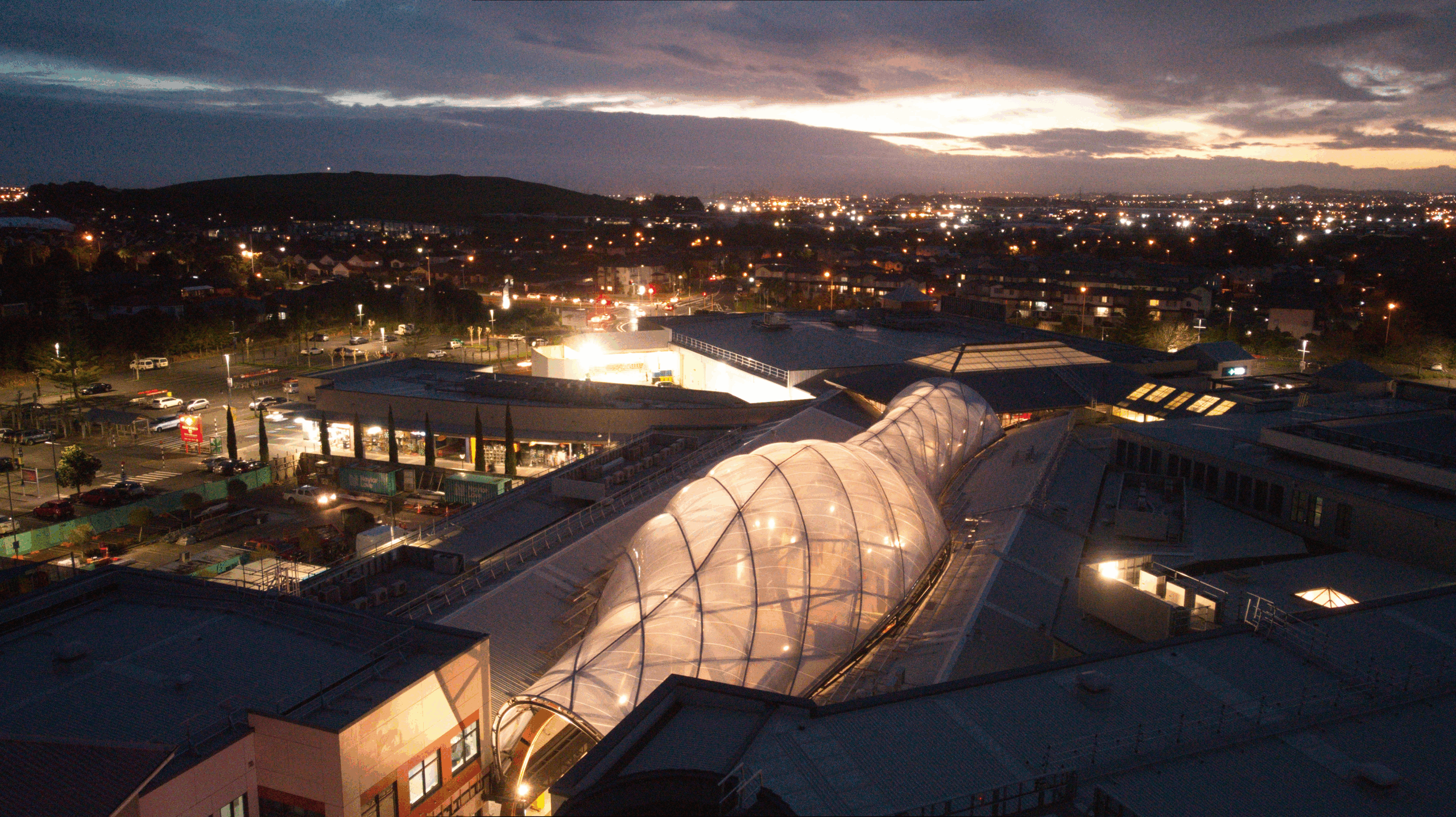
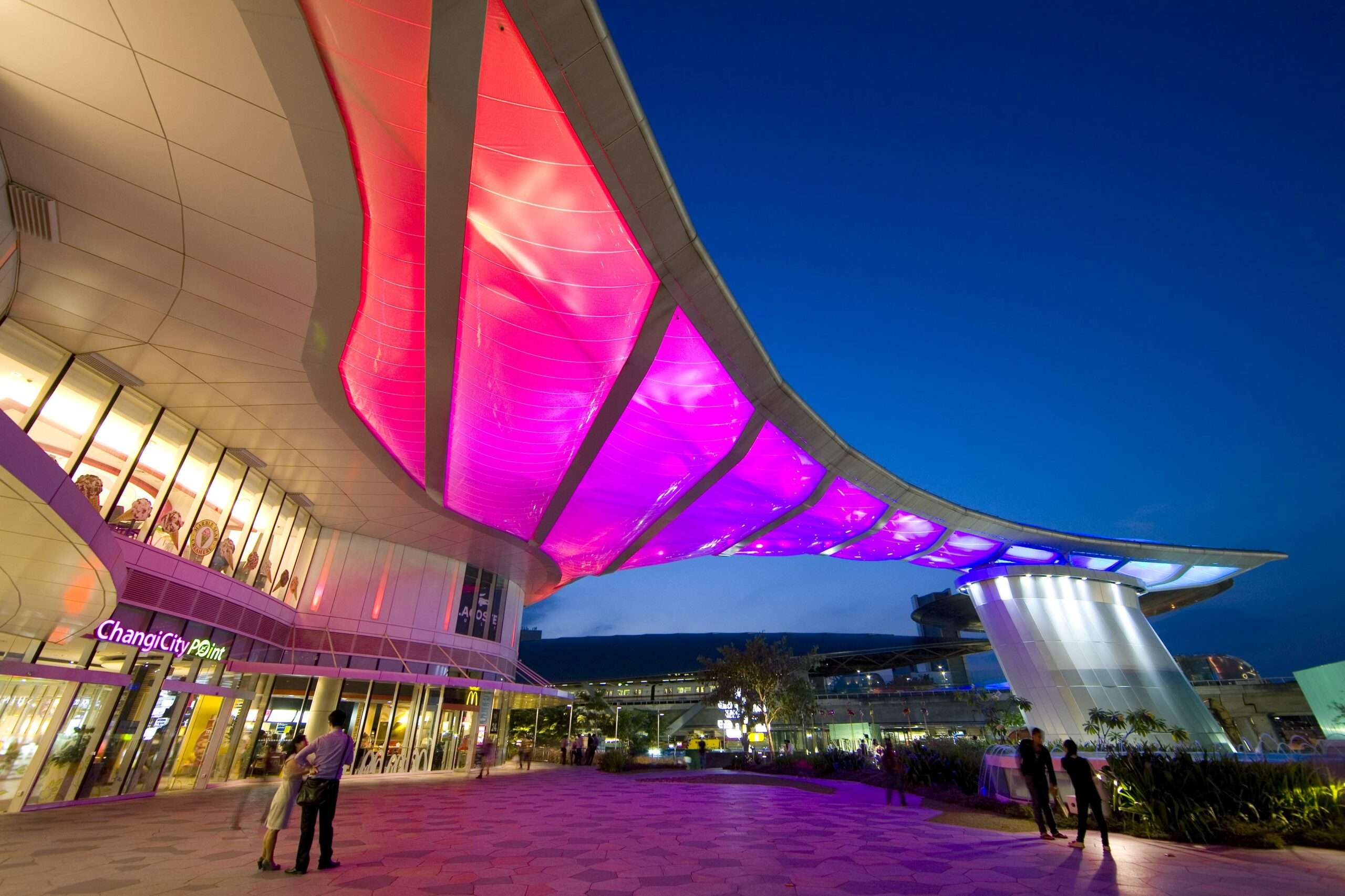
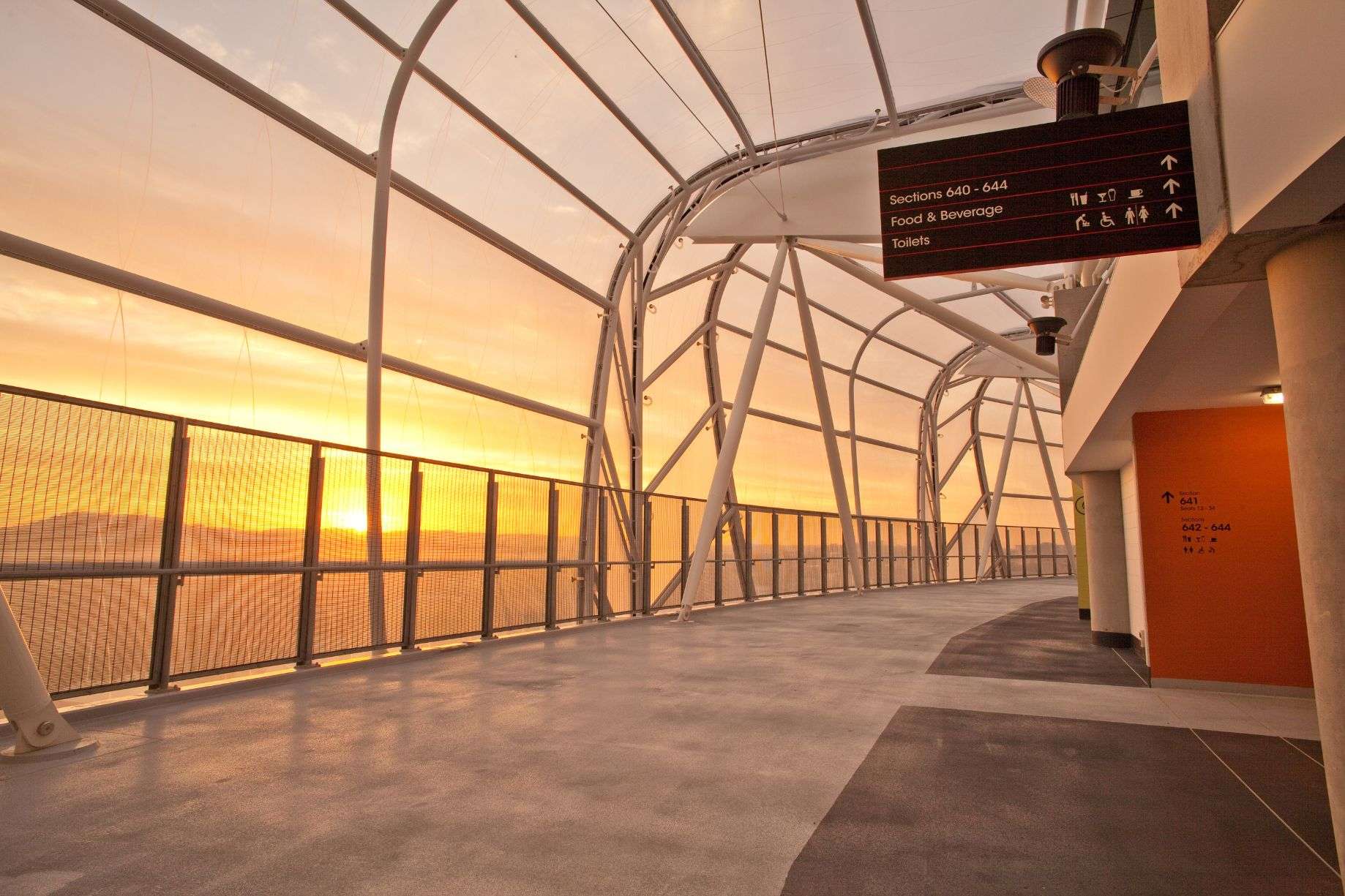
- At night, integrated lighting creates the signature “glowing candy” effect.
- Durable and low-maintenance, ideal for a high-profile sports venue.
9,527 m²
of ETFE
A Stadium Facade That Captures Global Attention
When Eden Park Stadium in Auckland underwent a major transformation ahead of the 2011 Rugby World Cup, the goal was clear: create a visual icon that would resonate with fans both locally and worldwide. The solution? A bold new ETFE facade that redefined the stadium’s identity, by turning plain concrete into a luminous, sculptural skin.
Do you want to talk about your project?
We are happy to assist you in every stage of your project, from design, engineering and structural engineering.

Angus Macleod
Technical Director | Australia & New Zealand
Maximum Visual Impact, Minimal Structural Weight
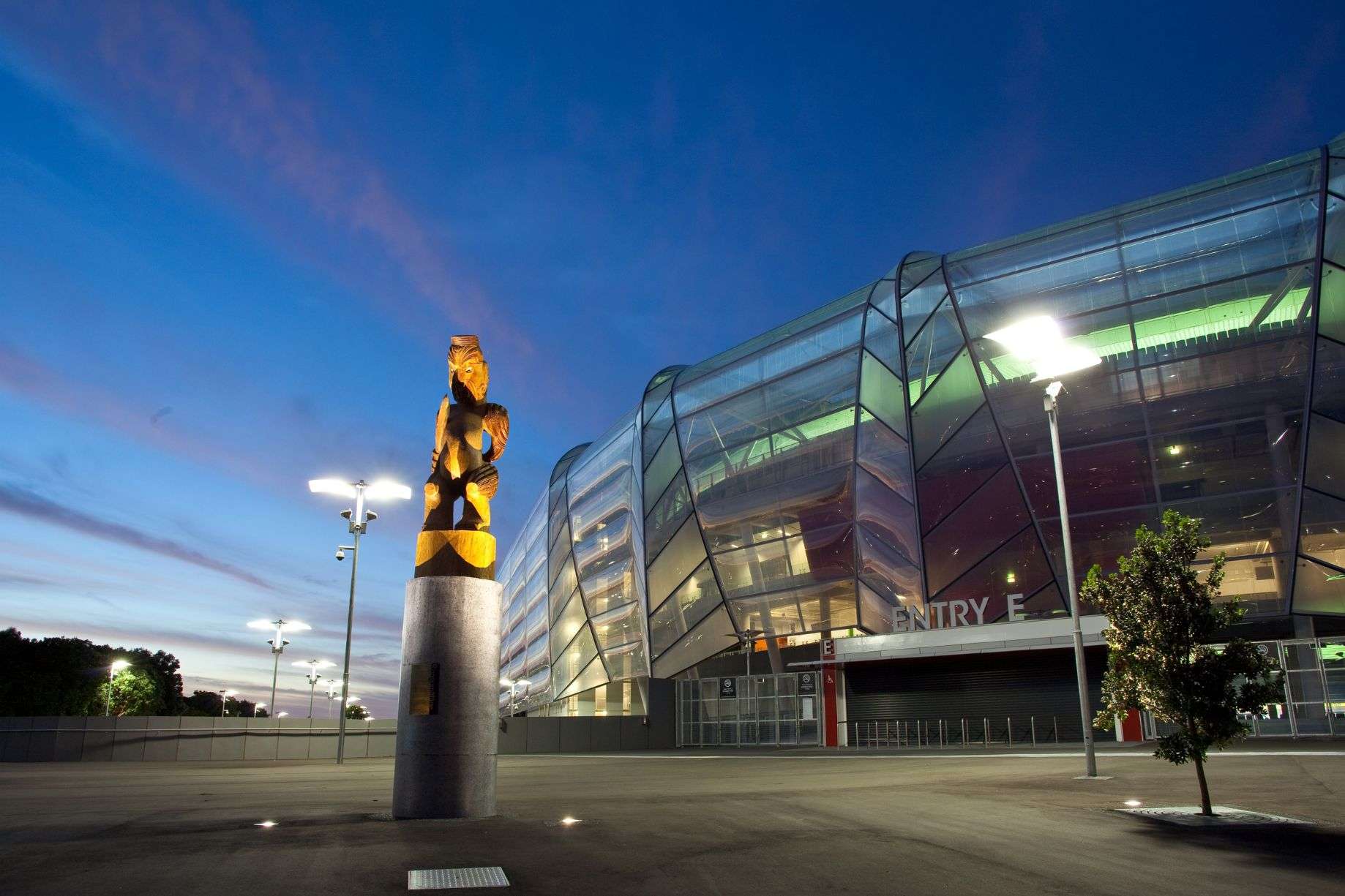
Rooted in nature: The design of the stadium’s ETFE facade.
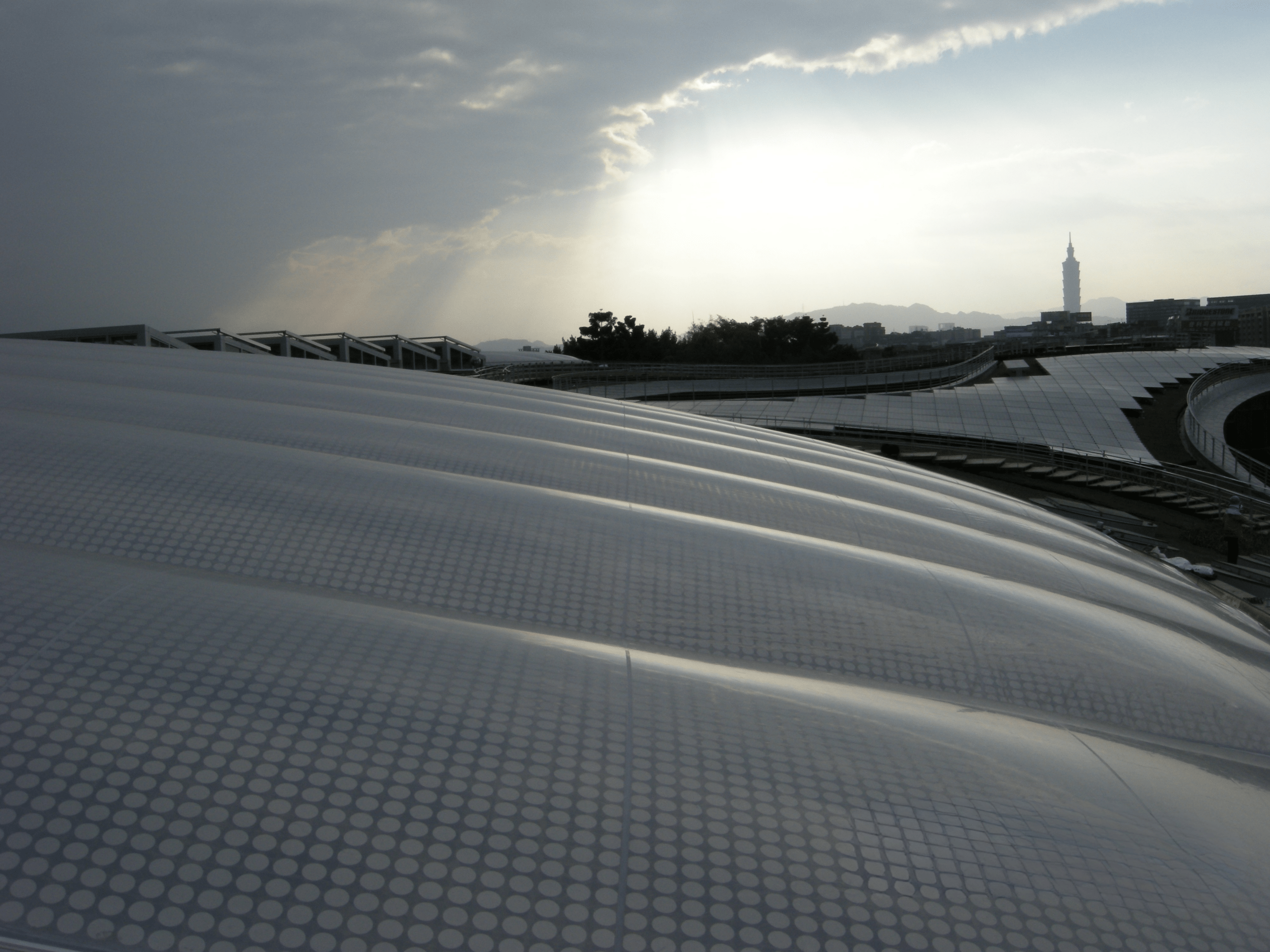
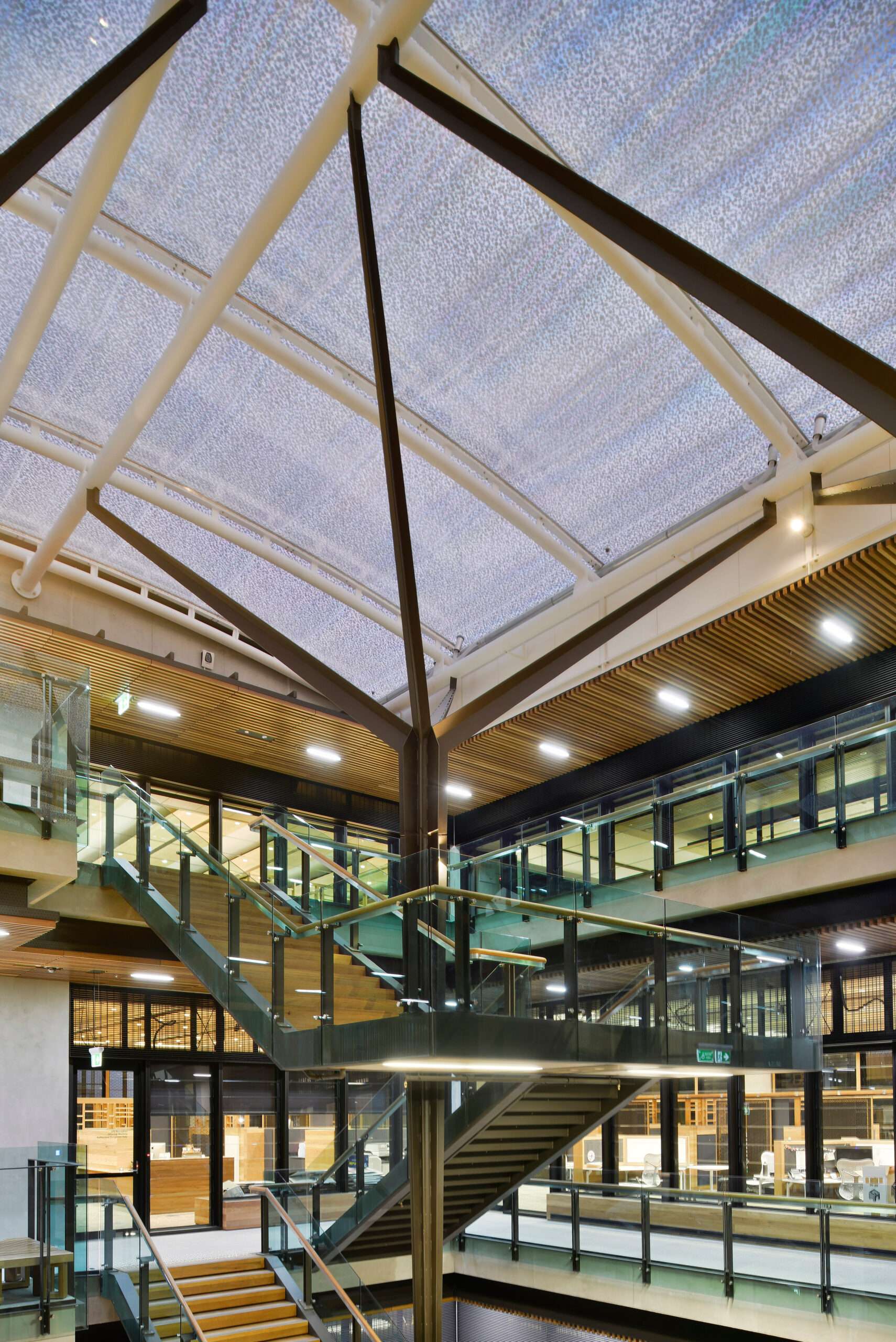
Covering over 9,500 square meters, the double-layer ETFE cushion system wraps the stadium in a lightweight yet high-performance envelope. The design draws inspiration from New Zealand’s native ferns and geological strata, creating a facade that is not only architecturally powerful but deeply rooted in place.
Visual Journey
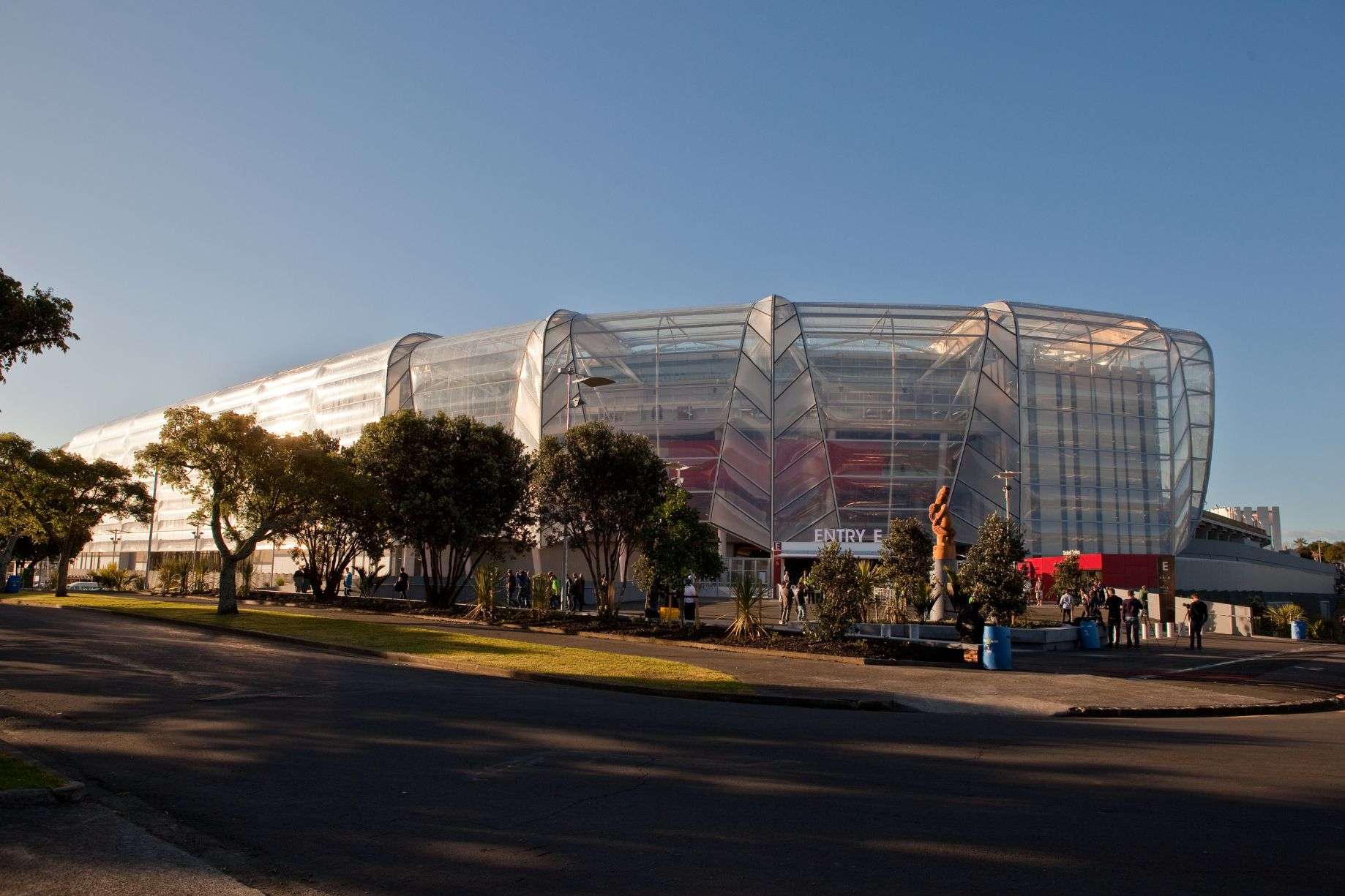
The translucent facade of the Eden Park Stadium.
The translucent facade of the Eden Park Stadium.

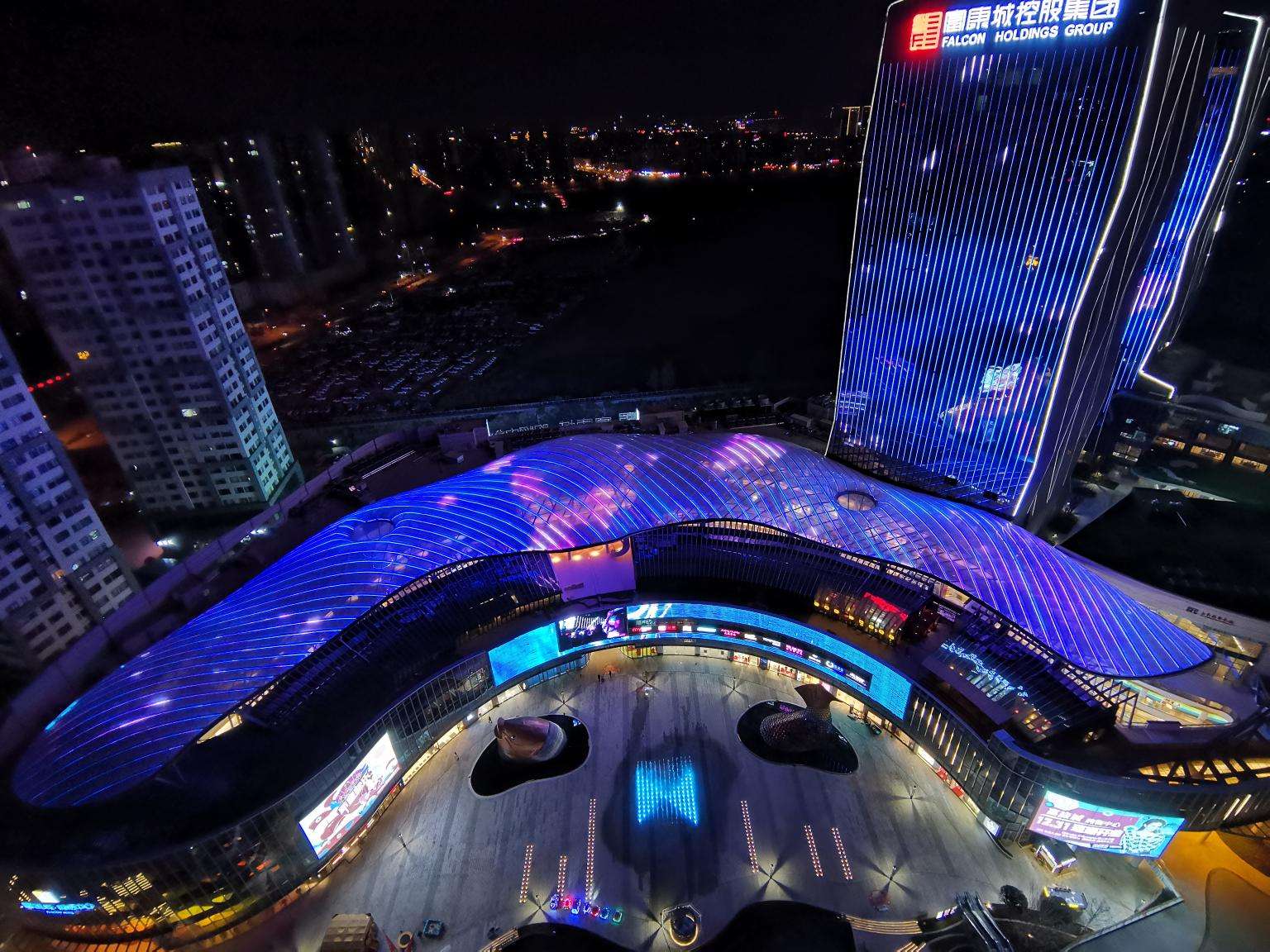
We call this the "glowing candy effect"!
Click on the pictures to see the full size
A Landmark for Sport and Design
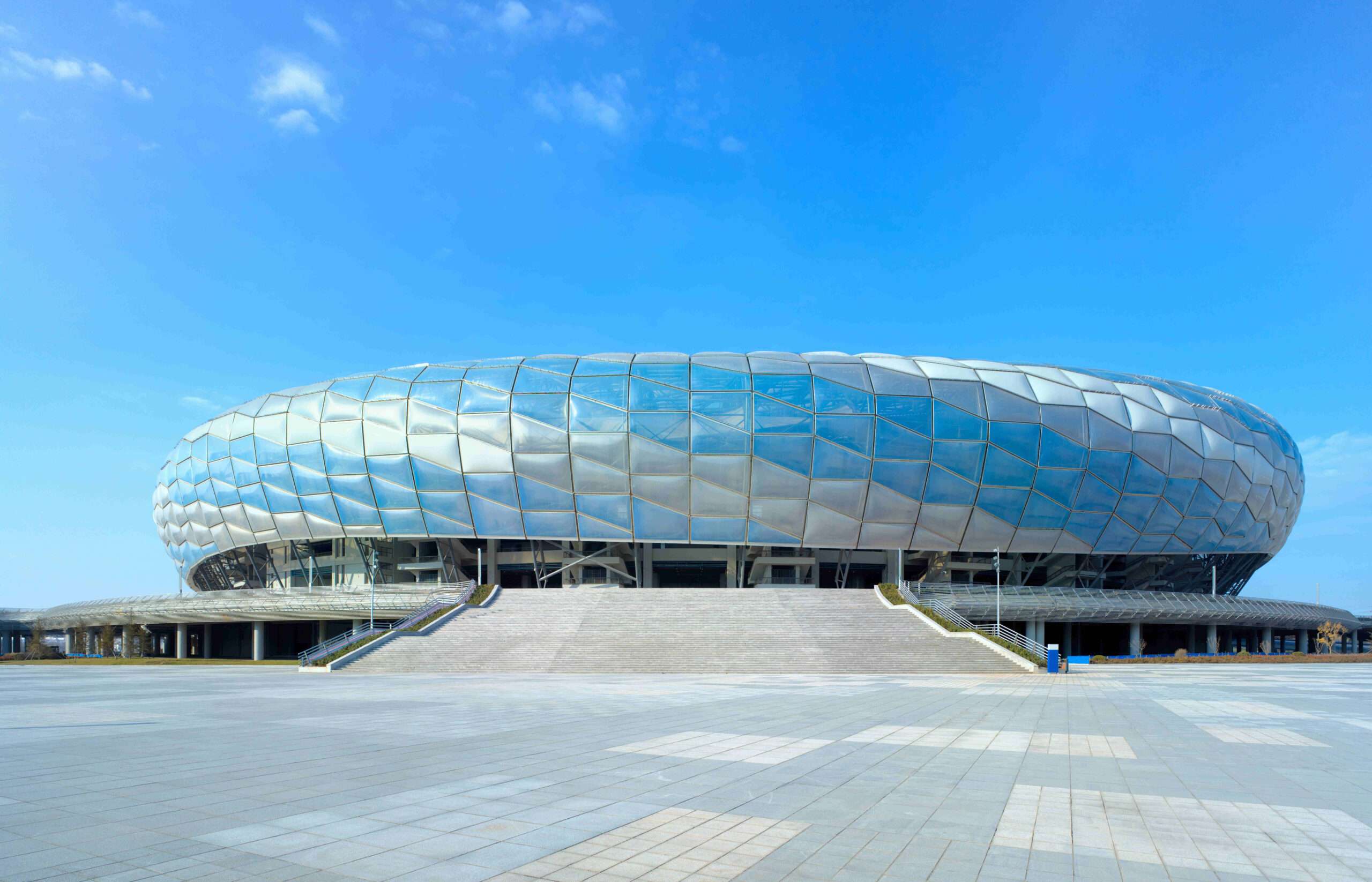
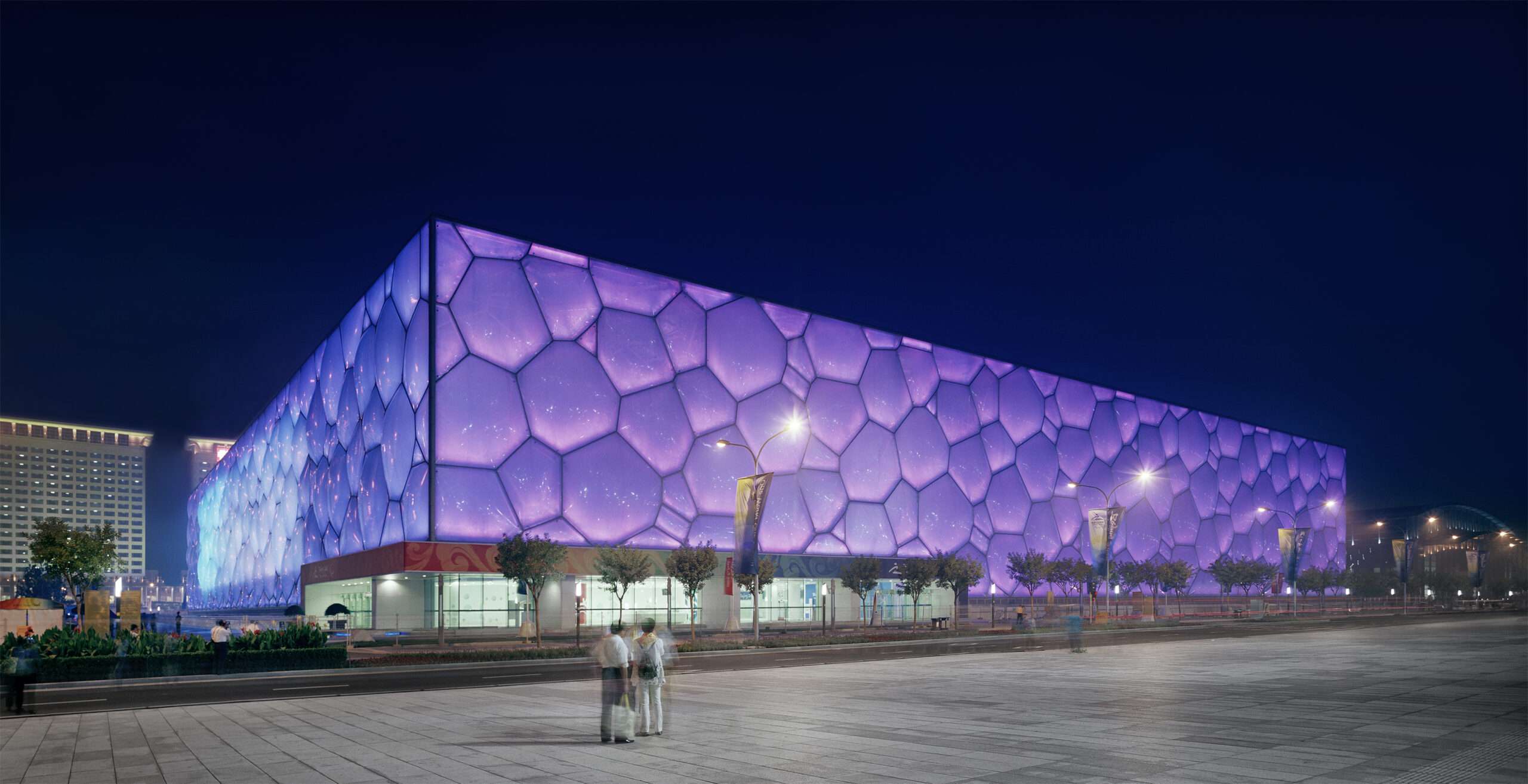
By day, the translucent surface captures light and shadow in constant motion. By night, a carefully designed lighting system illuminates the ETFE cushions, creating what we describe as the “glowing candy effect” – a soft, iridescent glow that turns the stadium into a landmark visible from across the city.
As the host of the opening match, semi-finals, and Grand Final of the 2011 Rugby World Cup – the largest sporting event in New Zealand’s history – Eden Park became more than just a venue. It became a visual statement. The ETFE facade elevated the entire spectator experience, offering not only shelter but a sense of identity and pride for all who entered.

Precision-Engineered and Globally Delivered
Nearly 400 custom-designed cushions were engineered and installed under a tight timeline. The facade exceeded performance and aesthetic expectations, setting a benchmark in stadium architecture using ETFE. From design to installation, the project demonstrated how lightweight membrane technology can deliver monumental visual results.
Design for Impact
If you’re reimagining a stadium or arena, consider the unmatched lightness, flexibility, and visual power of ETFE. It’s more than a material; it’s a tool for transformation.
Read more