ETFE architecture in Australia: The Adelaide Entertainment Centre features a 2,498 m² ETFE canopy with LED lighting, lightweight design, and efficient installation by Vector Foiltec Asia Pacific.
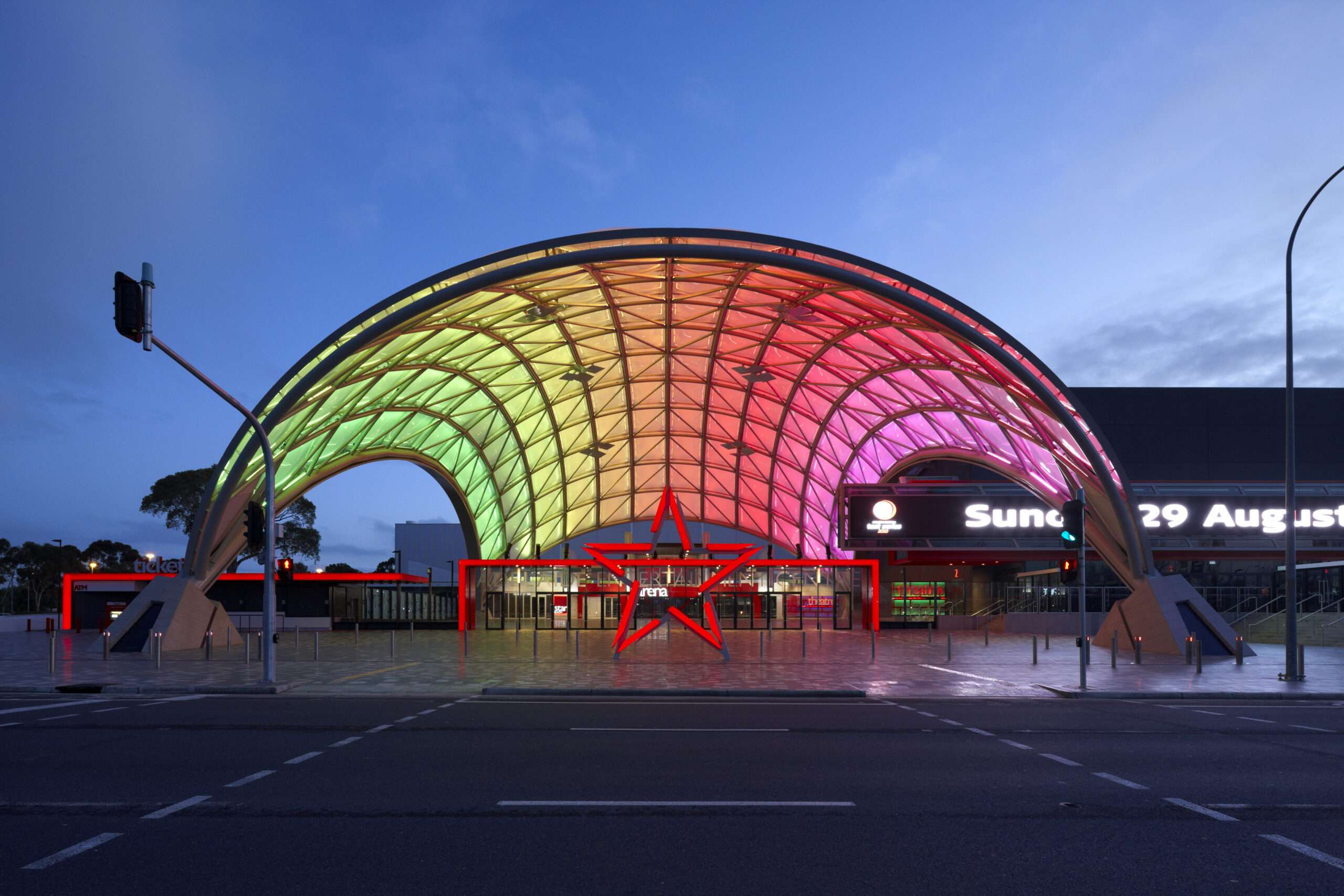
Adelaide Entertainment Centre
The Adelaide Entertainment Centre is one of South Australia’s leading venues for concerts, performances, and large-scale events. With a 12,000-seat arena and a 2,500-seat theatre, the venue required a canopy solution that could welcome guests, provide weather protection, and elevate the visual identity of the entrance.
Project Overview
Australia
Country
2498
m²
of ETFE
2010
Completed
Design Inc
Architects
At a Glance – ETFE at Adelaide Entertainment Centre
- 2,498 m² curved ETFE canopy at the venue entrance
- Two-layer system: transparent and white foil for light control
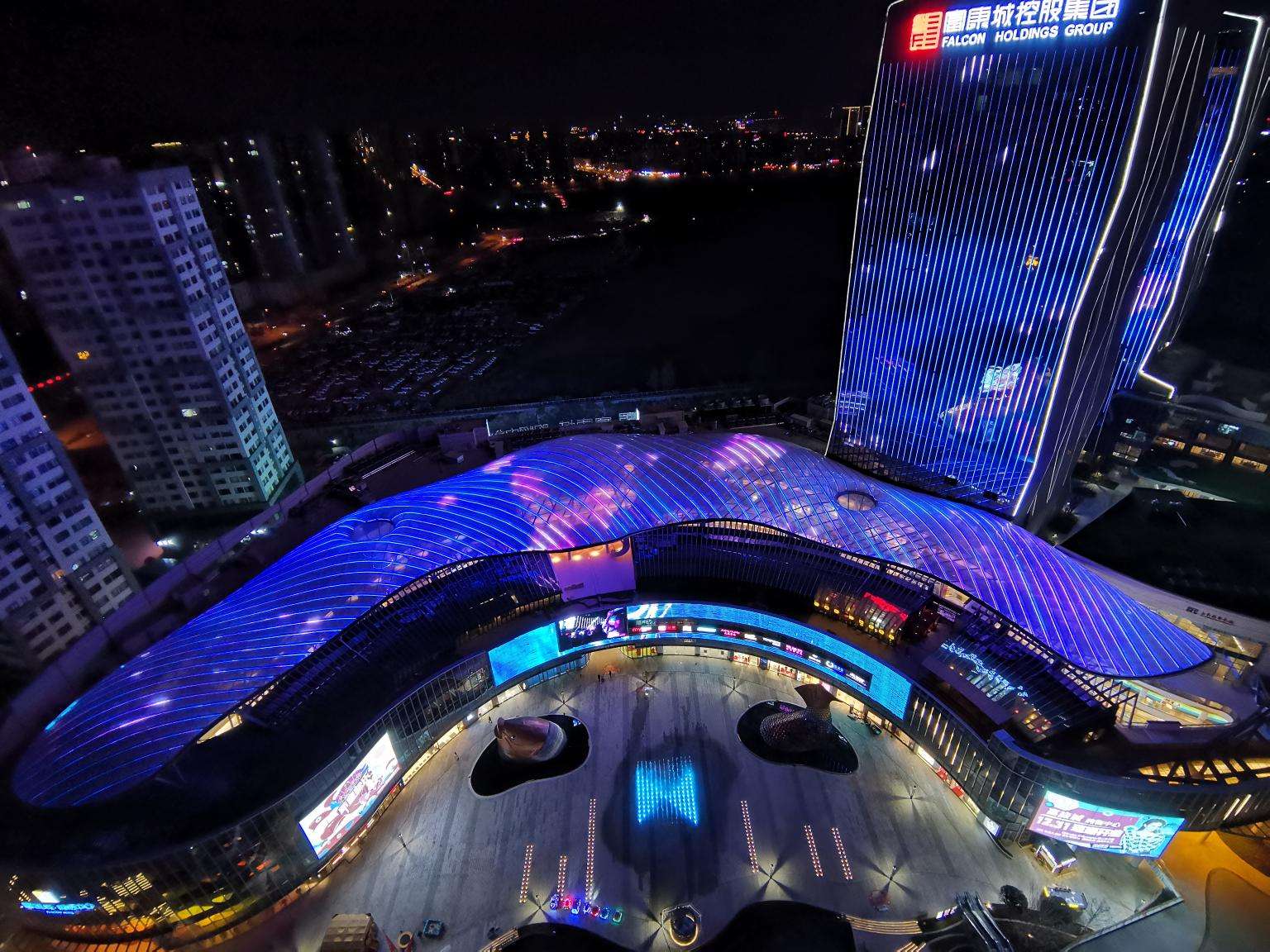
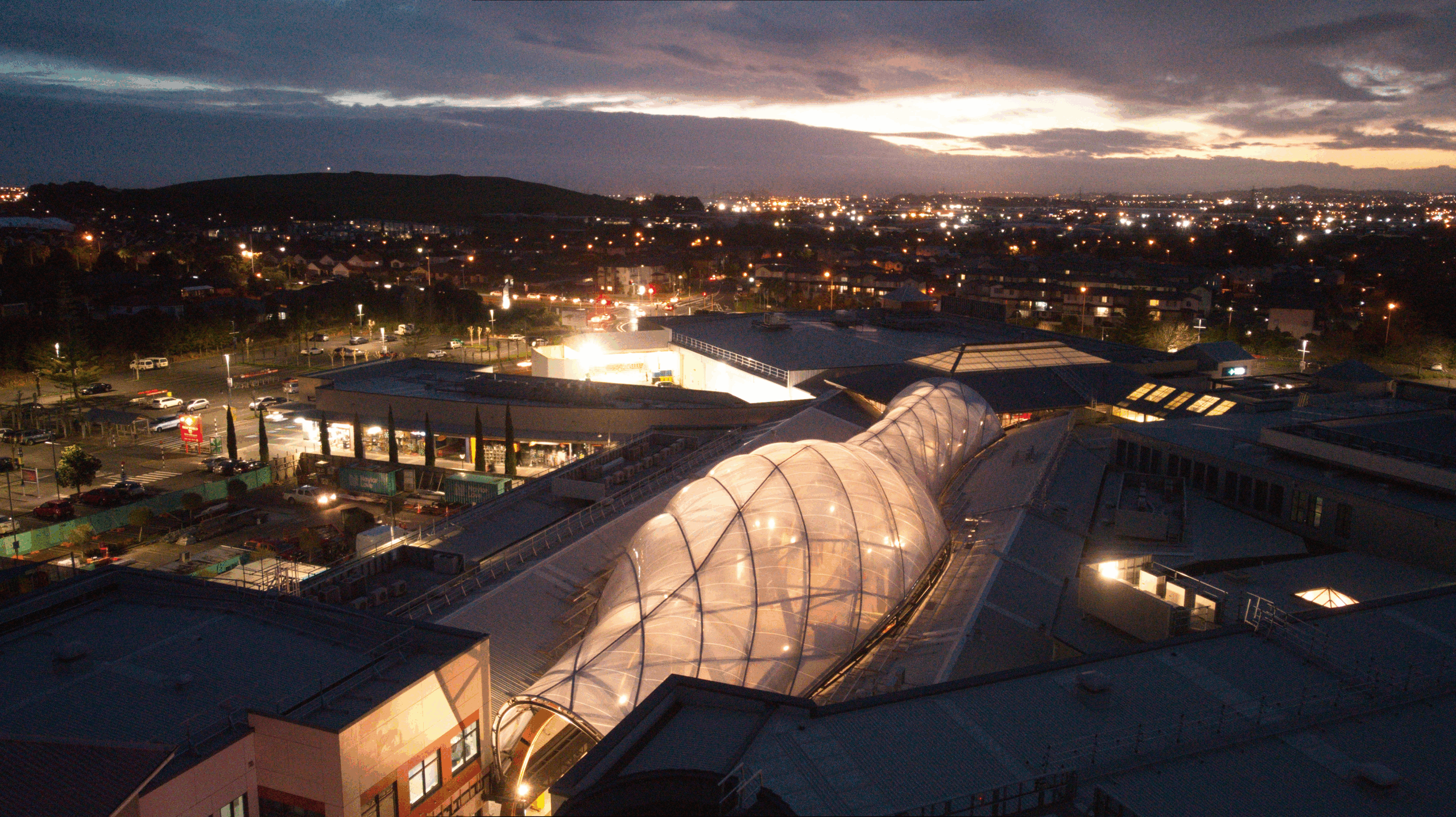
- LED lighting integrated to illuminate cushions at night
- Lightweight ETFE reduced structural steel demands
- Installation completed with rope access and netting system
- Solution delivered by Vector Foiltec Asia Pacific
2,498 m²
of ETFE
ETFE Canopy with Light and Form
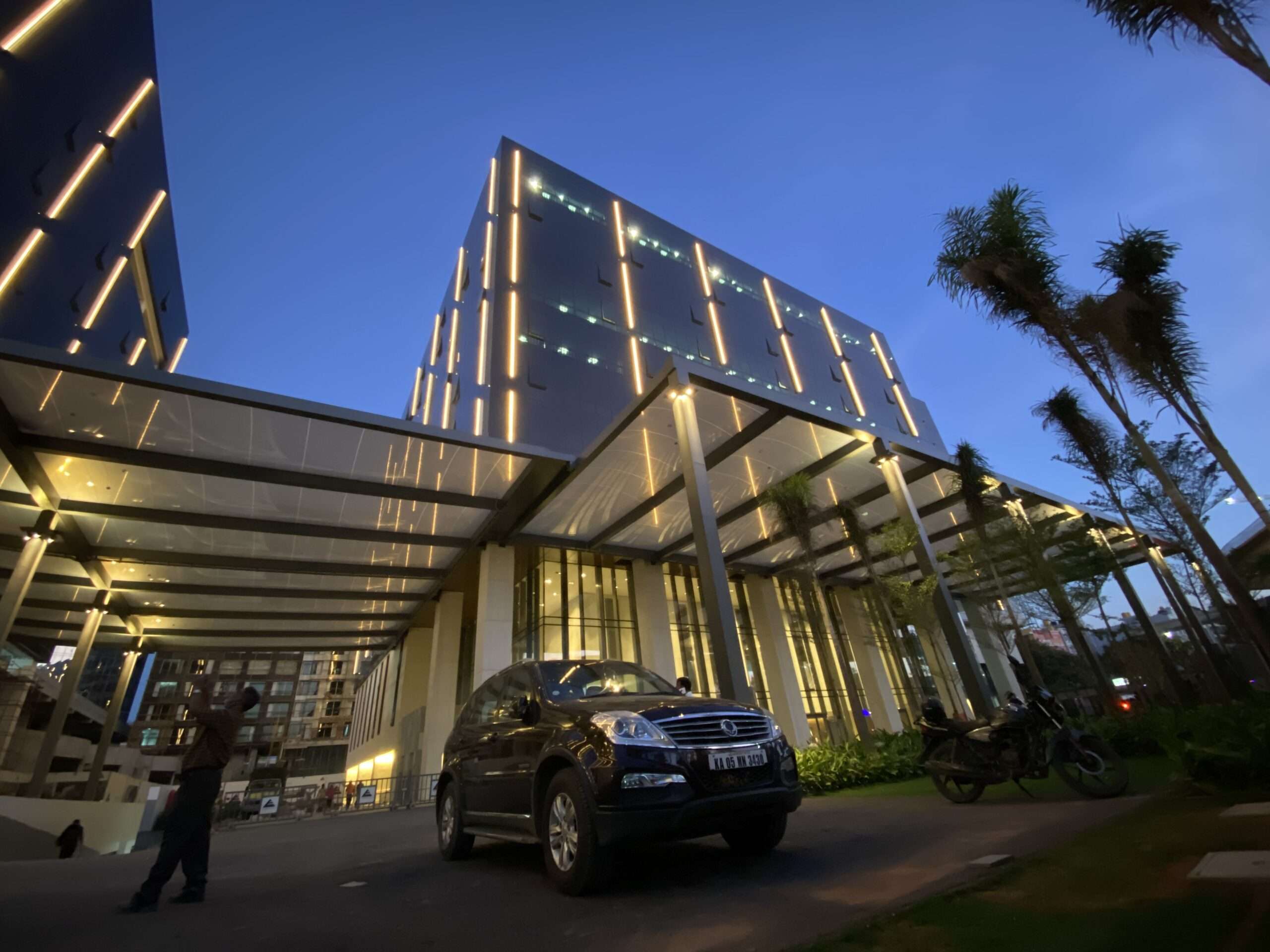
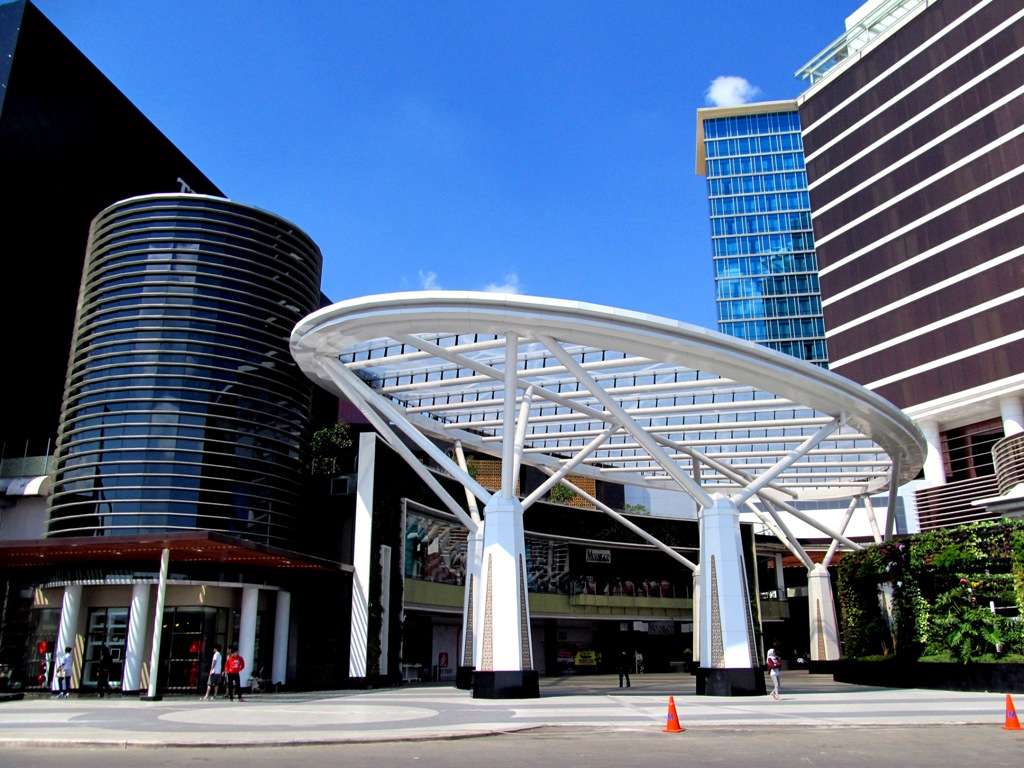
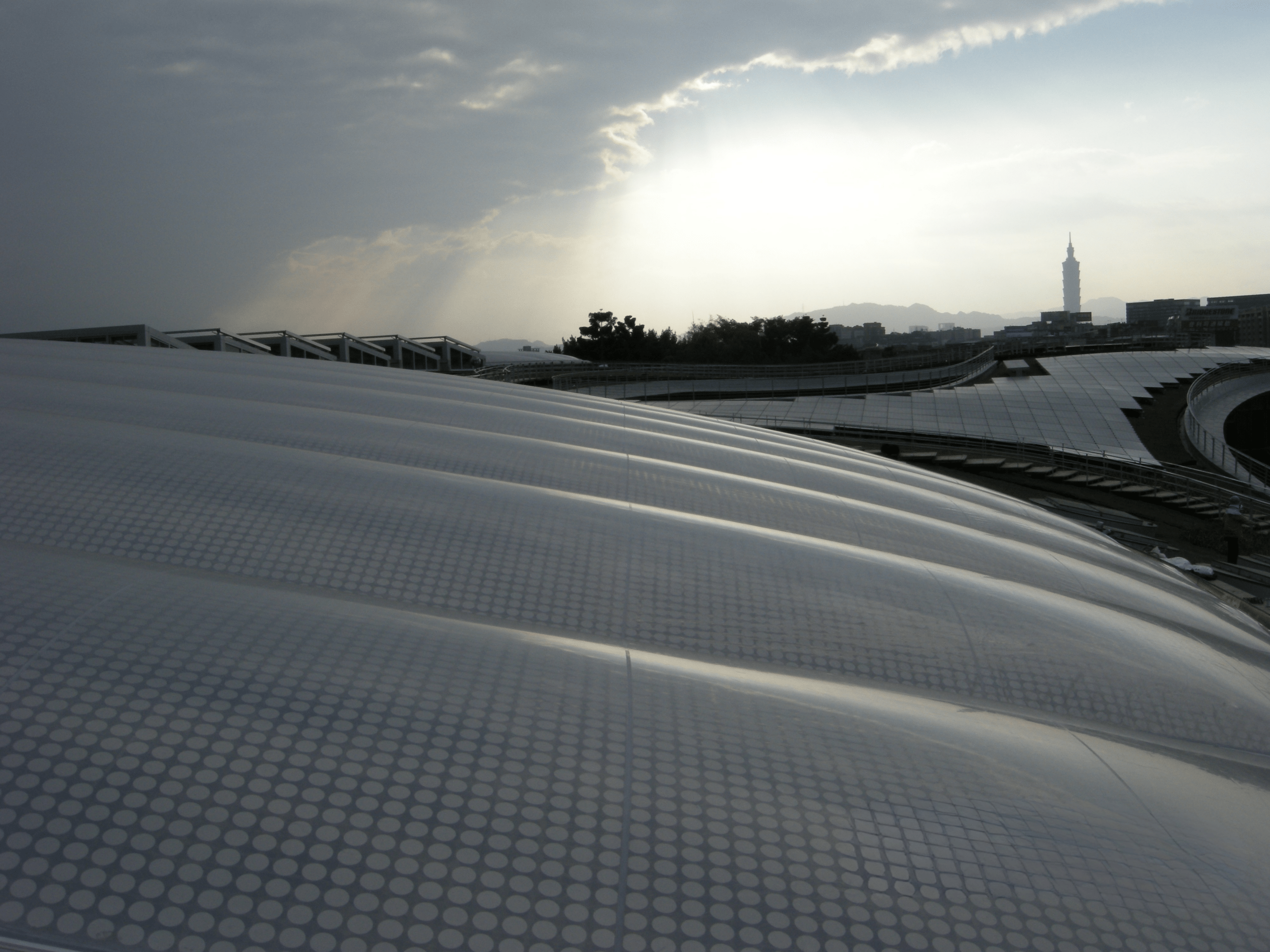
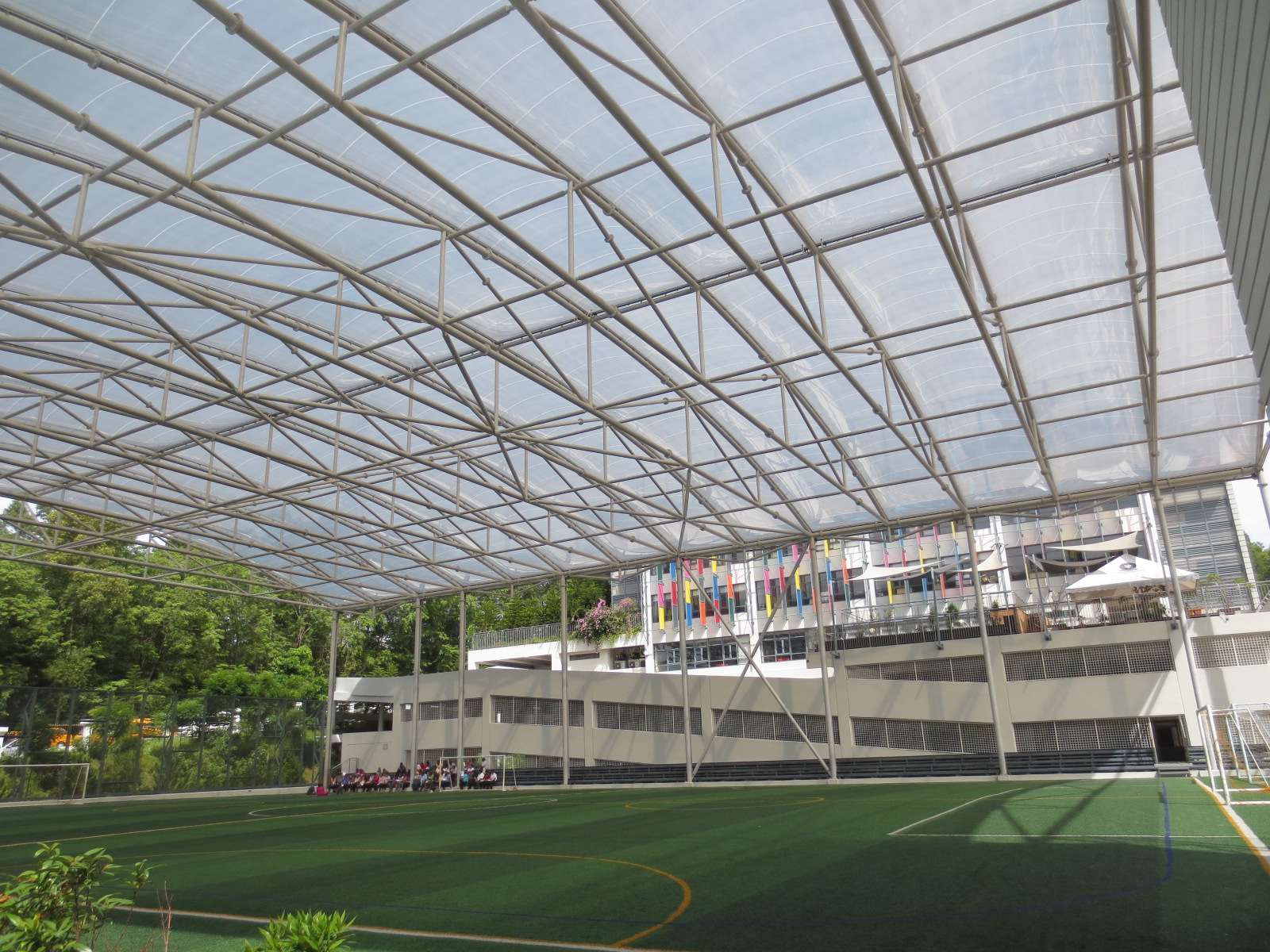
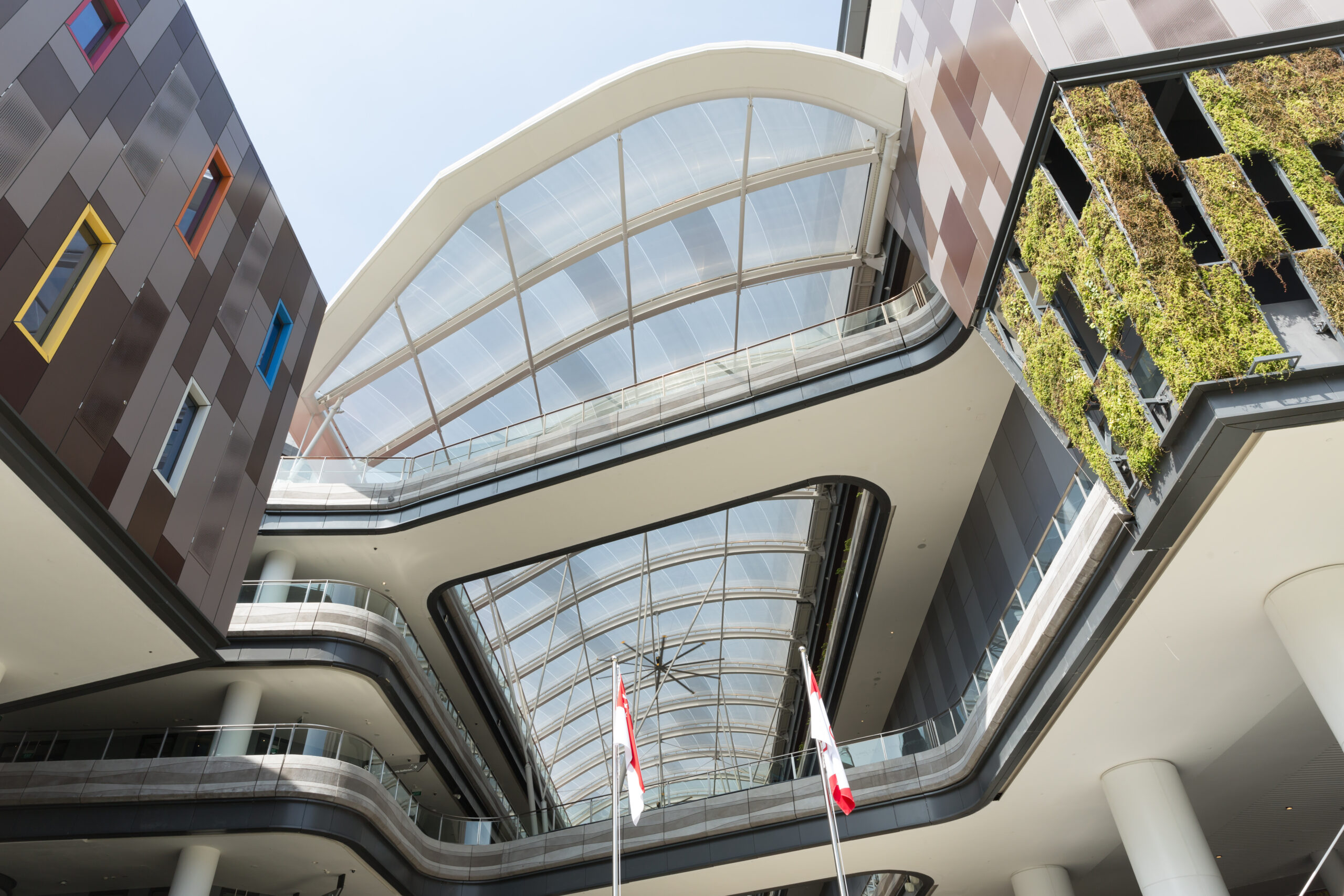
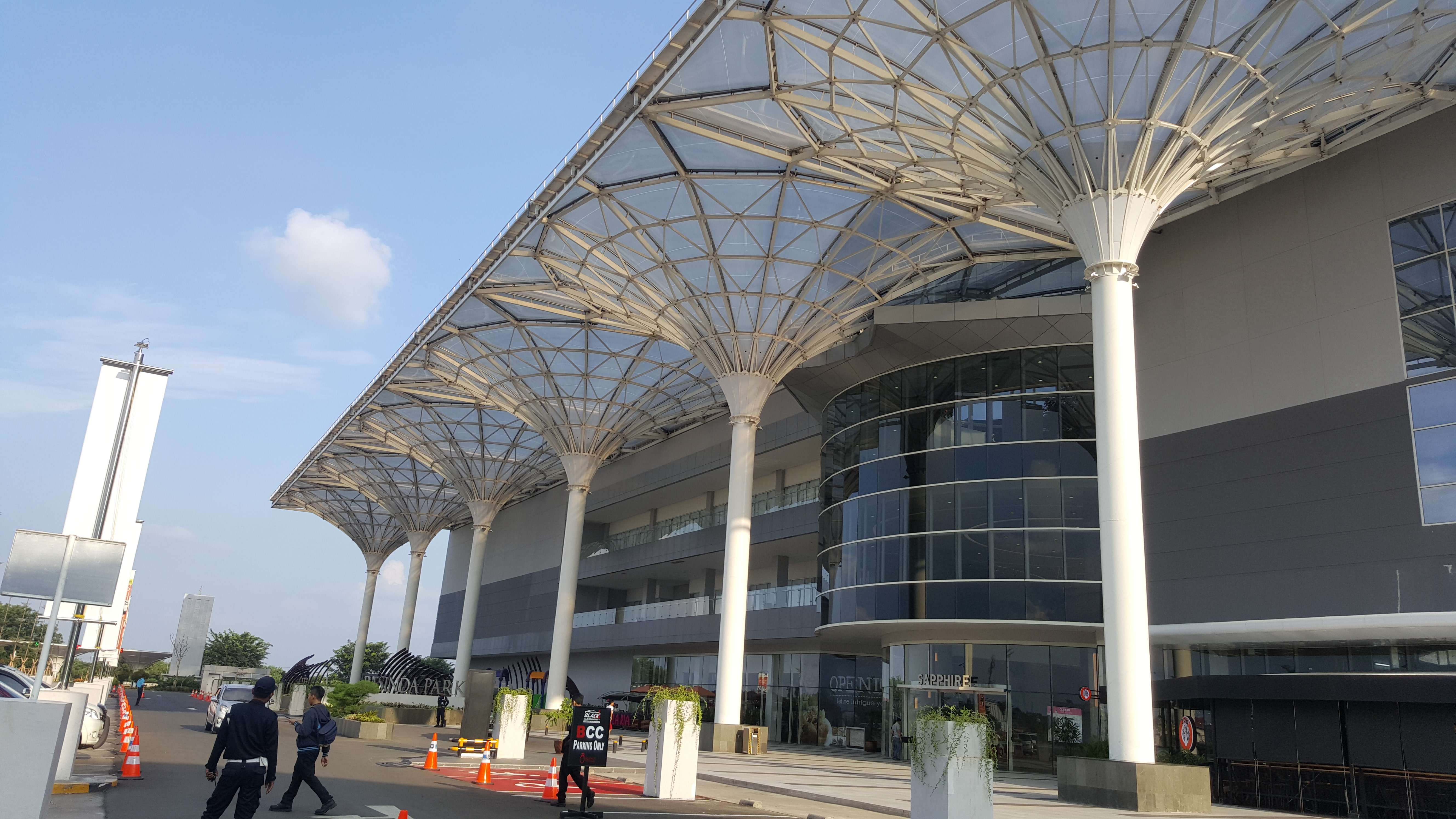
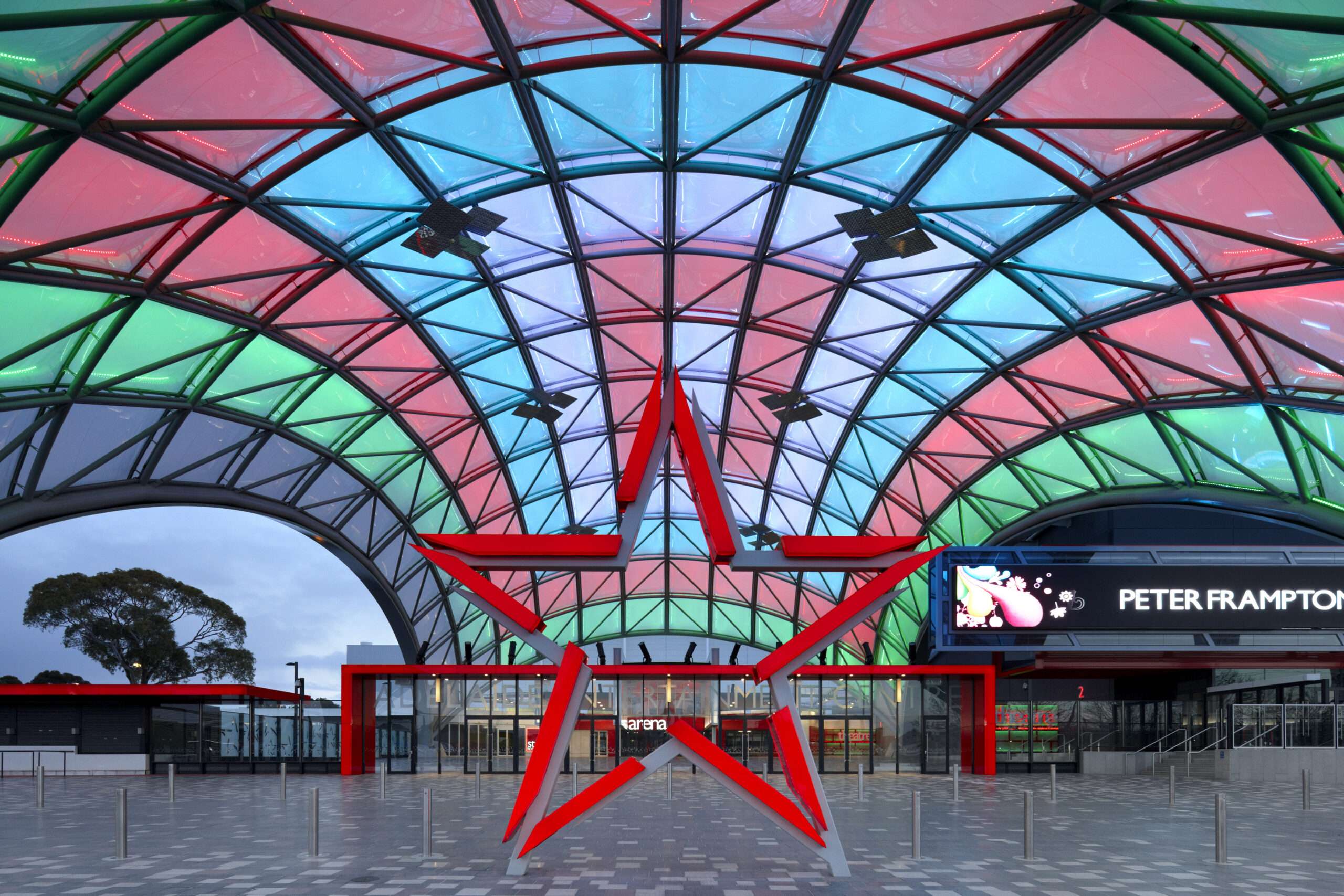
A curved ETFE canopy was selected for its lightweight nature, flexible geometry, and ability to integrate lighting. The structure consists of two layers of ETFE – one transparent and one white – allowing soft daylight during the day and a distinctive glow at night.
Integrated LED lighting highlights each cushion, giving the canopy a clear presence after dark and reinforcing the venue’s modern character.
Do you want to talk about your project?
We are happy to assist you in every stage of your project, from design, engineering and structural engineering.

Angus Macleod
Technical Director | Australia & New Zealand
Efficient Construction and Smart Use of Space

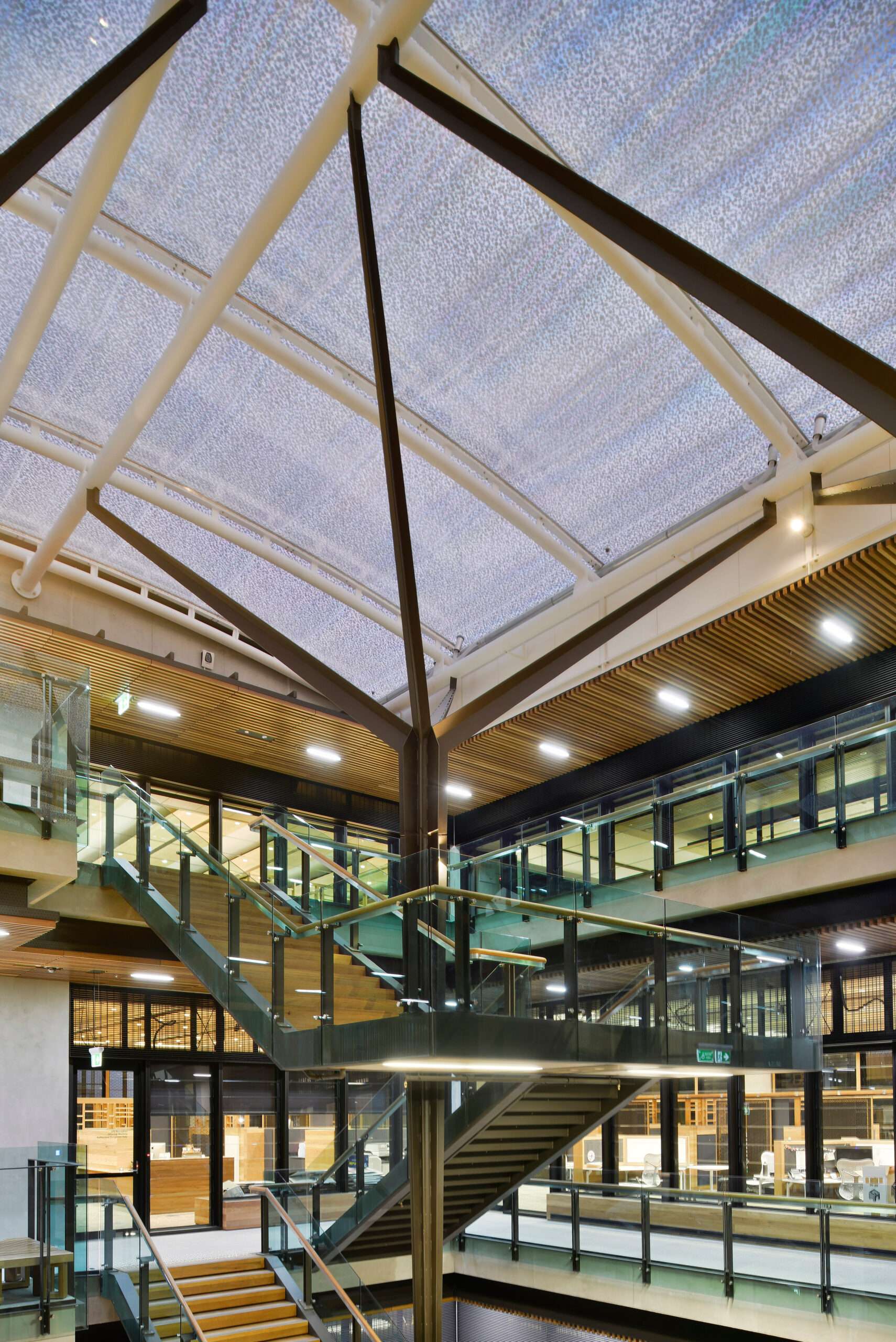
Lightweight steel structure with illuminated ETFE foil cushions
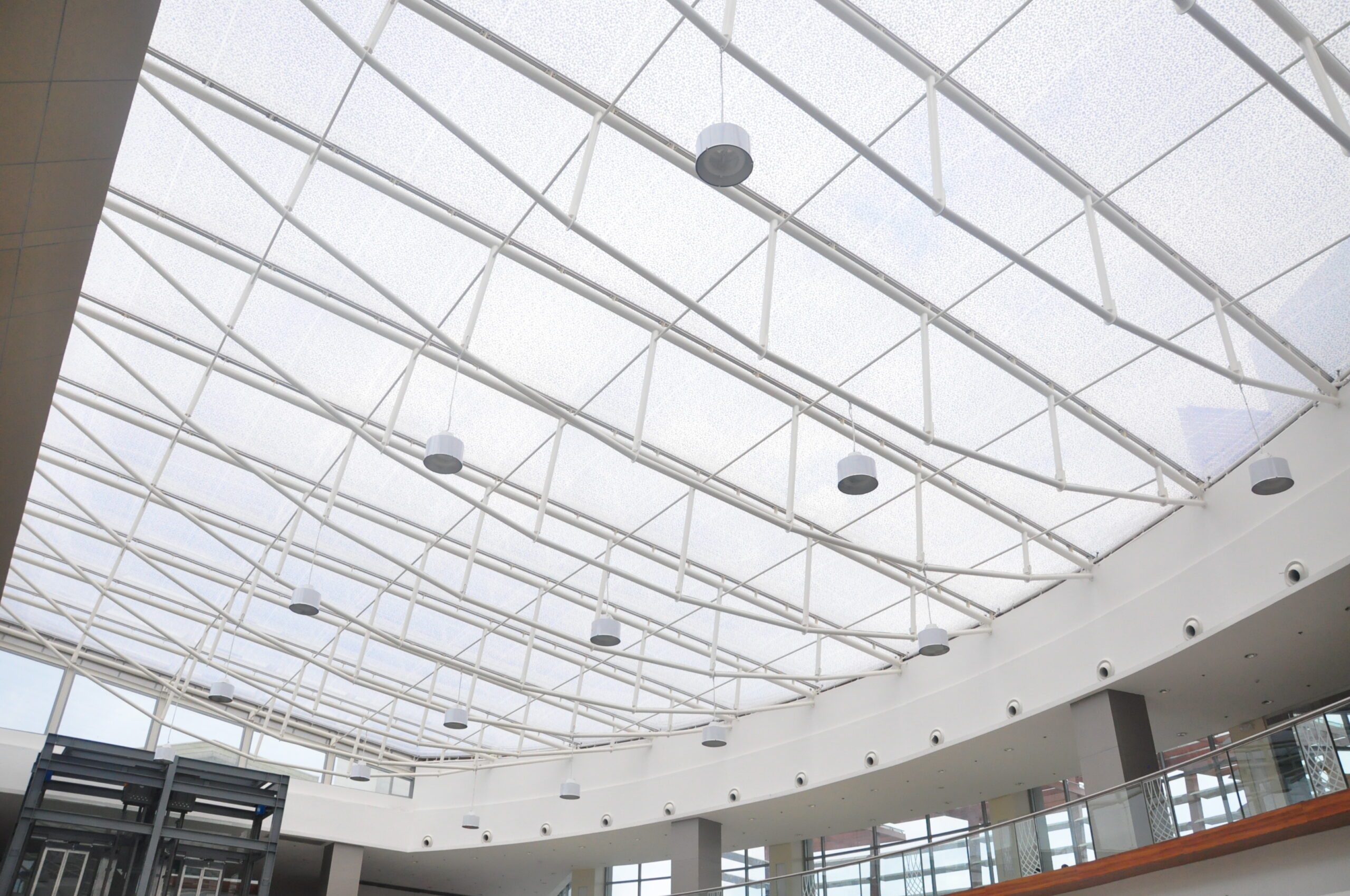
The installation was completed using rope access techniques and the proprietary netting system developed by Vector Foiltec Asia Pacific. This allowed other trades to continue working safely beneath the canopy with minimal interruption – a key advantage when operating around a live construction site. ETFE’s low weight meant the steel support structure could remain slim, reducing material usage while keeping the appearance clean and open.
Visual Journey

We call this the "glowing candy effect"!

Sleek design by day.
Click on the pictures to see the full size
A Contemporary Canopy for Performance Architecture
With 2,498 m² of ETFE, the canopy delivers both shelter and visual impact, creating a welcoming entry for thousands of visitors. It demonstrates how ETFE can be used not only for large-span roofs, but also as an architectural feature – transforming a conventional canopy into a signature piece of the venue’s identity.
Media Copyrights
© Dianna Snape
Read more